Buy wetzlar.eu ?
We are moving the project
wetzlar.eu .
Are you interested in purchasing the domain
wetzlar.eu ?
domain@kv-gmbh.de · 0541-91531010
Buy wetzlar.eu ?
Why are liver cells animal cells?
Liver cells are animal cells because they are part of the tissue and organ system of animals. They are eukaryotic cells, meaning they have a true nucleus and membrane-bound organelles, which are characteristic of animal cells. Additionally, liver cells perform specific functions related to the metabolism and detoxification of substances within the body, which are essential for the survival and functioning of animals. Therefore, liver cells are classified as animal cells due to their structure, function, and role within the animal body. **
What are the differences between embryonic stem cells, omnipotent stem cells, adult stem cells, totipotent stem cells, and multipotent stem cells?
Embryonic stem cells are derived from embryos and have the potential to develop into any type of cell in the body. Omnipotent stem cells, also known as pluripotent stem cells, are similar to embryonic stem cells in that they can differentiate into any type of cell, but they are derived from adult tissues. Adult stem cells are found in various tissues and have the ability to differentiate into a limited range of cell types. Totipotent stem cells have the highest potential for differentiation and can develop into any type of cell, as well as into extraembryonic tissues such as the placenta. Multipotent stem cells can differentiate into a limited number of cell types, typically within a specific tissue or organ. **


Similar search terms for Cells
Top-Angebote
Products related to Cells:
-
From the Archives: Black History and Culture Value PackThis brand-new series is rooted in a profound commitment to shedding light on some of the important -- and often lesser-known -- aspects of Black history. From the Archives features landmarks, events, people, and artistic endeavors that have played...26,99 $*Shipping: 0,00 $Secure redirect to the provider
-
Smart Shopping Spot Divided Serving Tray With Lid Compartment Snack And Food Storage Container, Fruit Storage Box For Organized Snacking clear 8 CellsLooking for a way to keep your snacks fresh and neatly organized Our Divided Serving Tray with Lid is designed for ultimate convenience and style. Perfect for those who love having multiple snack options ready to go, this storage container features...44,97 $*Shipping: 0,00 $Secure redirect to the provider
-
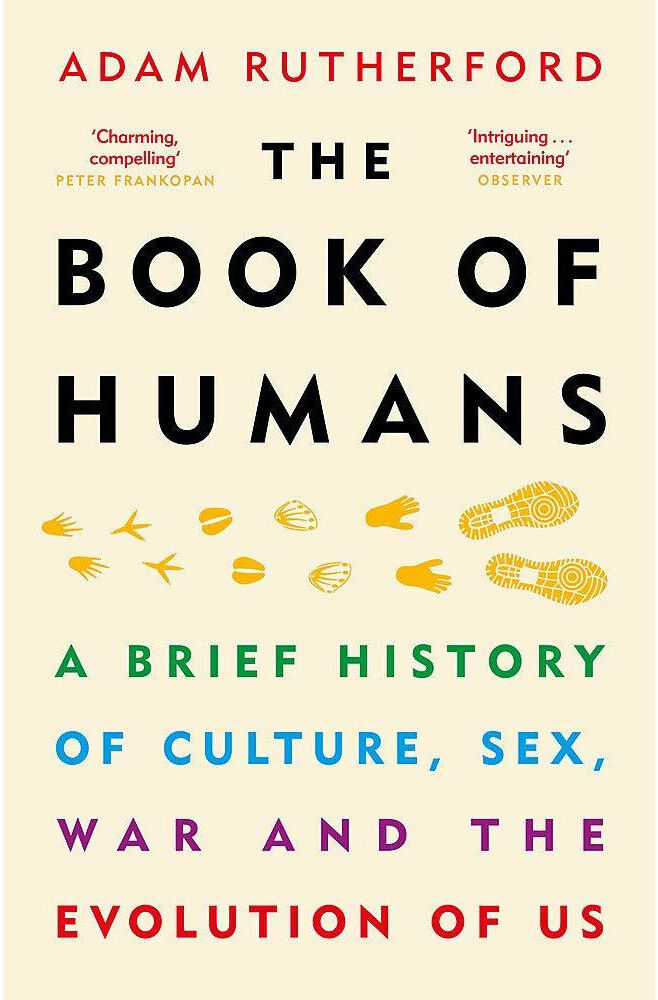
Orion The Book of Humans by Adam Rutherford – A Brief History of Culture, Sex, War & EvolutionWHAT MAKES US HUMAN? Waging war? Sex for pleasure? Creating art? Mastery of fire? In this thrilling tour of the animal kingdom, Adam Rutherford tells the story of how we became the unique creatures we are today. Illuminated by the latest scientific discoveries, THE BOOK OF HUMANS is a dazzling compendium of what unequivocally fixes us as animals, and reveals how we are extraordinary among them.4,98 £*Shipping: 1,99 £Secure redirect to the provider
-
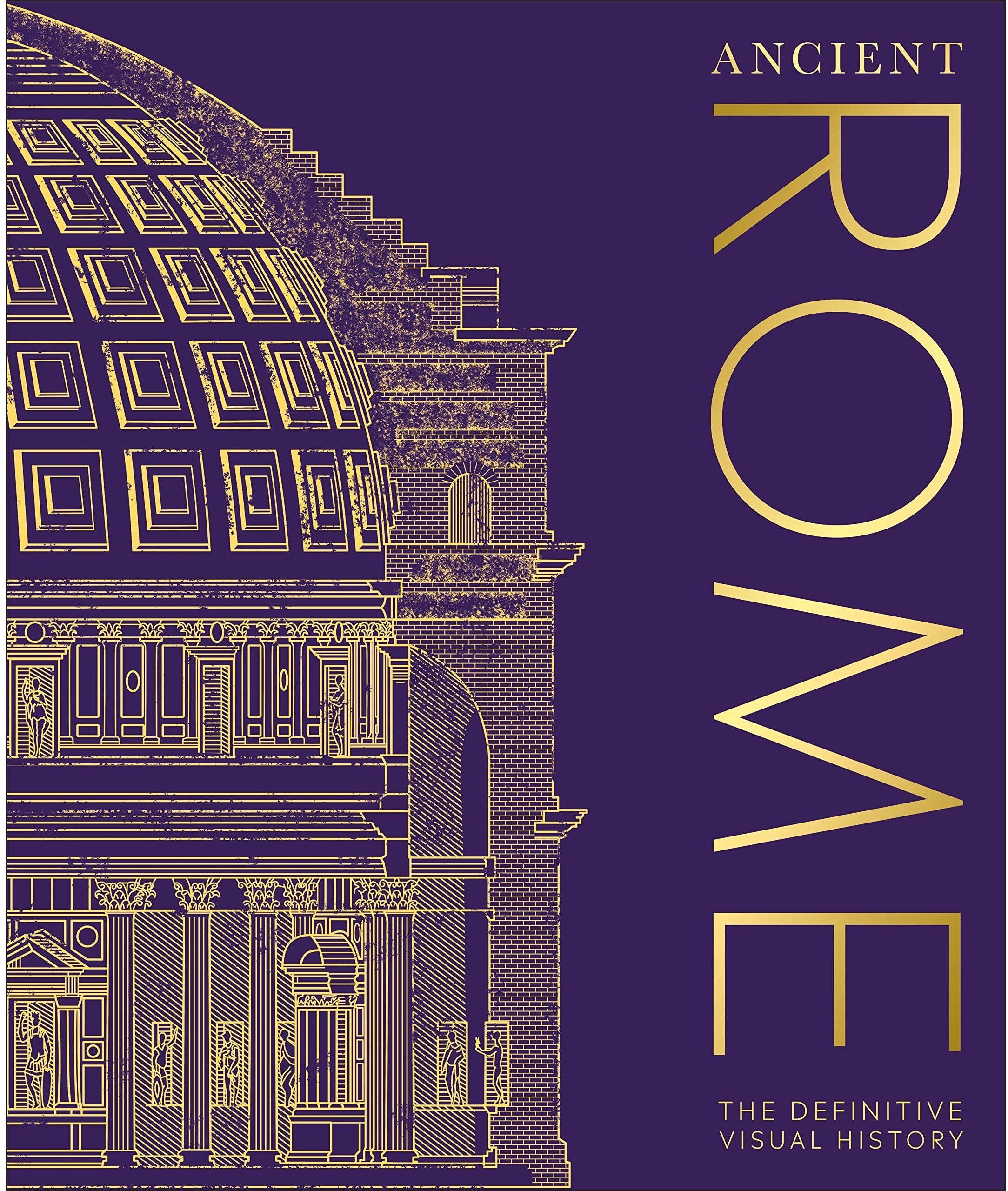
Ancient Rome: The Definitive Visual History (DK Classic History)Immerse yourself in the history of ancient Rome - from its origins as a small settlement on the Palatine Hill to its peak as an empire reigning over 90 million people, and its tumultuous decline. Covering more than 1,000 years of history, and an empire that stretched from Scotland to Syria, Ancient Rome reveals in vivid detail all of the key political, cultural, and military events that shaped the Roman Empire and explores what it was like to live in a society that laid the foundations for many aspects of the modern world. Sumptuous photography and engaging text cover every facet of life in ancient Rome, from art, entertainment, and fashion to engineering, medicine, and war, while detailed maps trace the rise of the mighty Roman Empire. Step back in time in the pages of this history book to discover:- Themed spreads explore developments in areas such as sculpture, religion, warfare, and engineering. - Includes tales of the most dramatic events and battles in Roman history, as well as profiles of influential historical and cultural figures. - An optional 80pp reference section includes sections on rulers, gods and goddesses, and key sites. Featuring Rome's greatest emperors, from Augustus to Constantine, as well as profiles of generals, historians, and influential women, Ancient Rome also delves into the fascinating stories of gladiators, bakers, and enslaved people. The most iconic buildings of Rome are brought to life with specially commissioned CGI recreations, while the stories of ordinary citizens, soldiers, and persecuted groups from across the empire are told with the help of illustrations, artefacts, and eyewitness accounts. Beautifully illustrated and unparalleled in scope, Ancient Rome is the perfect book for anyone who is interested in this defining period of world history.19,95 £*Shipping: 2,99 £Secure redirect to the provider


-
What are egg cells and sperm cells?
Egg cells, also known as ova, are the female reproductive cells produced by the ovaries. They are larger than sperm cells and contain genetic material from the mother. Sperm cells, on the other hand, are the male reproductive cells produced by the testes. They are smaller and more numerous than egg cells, and contain genetic material from the father. When an egg cell is fertilized by a sperm cell, it forms a zygote, which eventually develops into a new organism. **
-
How do killer cells recognize infected body cells?
Killer cells, also known as cytotoxic T cells, recognize infected body cells through a process called antigen presentation. Infected cells display fragments of foreign proteins, known as antigens, on their surface using a protein called major histocompatibility complex (MHC) class I. Killer cells have receptors that can recognize these antigens when they are presented on the infected cell's surface. Once the killer cell identifies an infected cell, it releases toxic substances to destroy the infected cell and prevent the spread of the infection. **
-
How do you compare the components of plant cells, virus cells, and animal cells?
Plant cells, virus cells, and animal cells all have different components and structures. Plant cells have a cell wall, chloroplasts, and a large central vacuole, which are not present in animal cells. Virus cells are not considered living cells and are much simpler in structure, consisting of genetic material (DNA or RNA) surrounded by a protein coat. Animal cells have centrioles and lysosomes, which are not found in plant cells. Additionally, animal cells do not have a cell wall like plant cells do. Overall, each type of cell has unique components that contribute to their specific functions and characteristics. **
-
What are common cell components of muscle cells, gland cells, and absorbing intestinal cells?
Common cell components of muscle cells, gland cells, and absorbing intestinal cells include the cell membrane, cytoplasm, nucleus, and organelles such as mitochondria and endoplasmic reticulum. Muscle cells also contain specialized structures called myofibrils, which are responsible for muscle contraction. Gland cells contain secretory vesicles for releasing hormones or other substances. Intestinal cells have microvilli on their surface to increase the surface area for absorption, and they also contain specialized transport proteins for moving nutrients across the cell membrane. **


Do nerve cells without sheath cells conduct impulses more slowly than those with sheath cells?
Yes, nerve cells without sheath cells conduct impulses more slowly than those with sheath cells. The sheath cells, also known as myelin, help to insulate and speed up the transmission of electrical impulses along the nerve cells. Without the myelin sheath, the impulses have to travel along the entire length of the nerve cell, resulting in slower conduction. This is why conditions that damage the myelin sheath, such as multiple sclerosis, can lead to slower nerve conduction and impaired neurological function. **
Do smaller people have smaller cells or fewer cells?
Smaller people do not necessarily have smaller cells or fewer cells. The size and number of cells in the human body are not directly correlated with a person's overall size. Instead, the size and number of cells in the body are determined by genetic factors, environmental influences, and individual variations. Therefore, smaller people can have the same number and size of cells as larger people. **
Top-Angebote
Products related to Cells:
-
All Categories Goods Anti Aging Eye Gel With Matrixyl , Hyaluronic Acid & Plant Stem Cells Anti Aging Eye Gel With Matrixyl , Hyaluronic Acid & Plant Stem CellsLooking to reduce the appearance of dark circles, wrinkles, and puffiness around your eyes This antiaging eye gel is your goto solution. Powered by Matrixyl 3000, hyaluronic acid, and rejuvenating plant stem cells, this gel works wonders for...51,97 $*Shipping: 0,00 $Secure redirect to the provider
-
Multicon Wholesale Hub Anti Aging Under Eye Cream Gel For Dark Circles & Wrinkles, With Hyaluronic Acid & Plant Stem Cells Anti Aging Under Eye Cream Gel For Dark Circles & Wrinkles, With Hyaluronic Acid & Plant Stem CellsTired eyes and wrinkles can make you feel older than you are. This undereye cream gel is designed to revitalize the delicate skin around your eyes. Packed with hyaluronic acid and nourishing plant stem cells, it combats dark circles, puffiness, and...69,97 $*Shipping: 0,00 $Secure redirect to the provider
-
From the Archives: Black History and Culture Value PackThis brand-new series is rooted in a profound commitment to shedding light on some of the important -- and often lesser-known -- aspects of Black history. From the Archives features landmarks, events, people, and artistic endeavors that have played...26,99 $*Shipping: 0,00 $Secure redirect to the provider
-
Smart Shopping Spot Divided Serving Tray With Lid Compartment Snack And Food Storage Container, Fruit Storage Box For Organized Snacking clear 8 CellsLooking for a way to keep your snacks fresh and neatly organized Our Divided Serving Tray with Lid is designed for ultimate convenience and style. Perfect for those who love having multiple snack options ready to go, this storage container features...44,97 $*Shipping: 0,00 $Secure redirect to the provider
-
Why are liver cells animal cells?
Liver cells are animal cells because they are part of the tissue and organ system of animals. They are eukaryotic cells, meaning they have a true nucleus and membrane-bound organelles, which are characteristic of animal cells. Additionally, liver cells perform specific functions related to the metabolism and detoxification of substances within the body, which are essential for the survival and functioning of animals. Therefore, liver cells are classified as animal cells due to their structure, function, and role within the animal body. **
-
What are the differences between embryonic stem cells, omnipotent stem cells, adult stem cells, totipotent stem cells, and multipotent stem cells?
Embryonic stem cells are derived from embryos and have the potential to develop into any type of cell in the body. Omnipotent stem cells, also known as pluripotent stem cells, are similar to embryonic stem cells in that they can differentiate into any type of cell, but they are derived from adult tissues. Adult stem cells are found in various tissues and have the ability to differentiate into a limited range of cell types. Totipotent stem cells have the highest potential for differentiation and can develop into any type of cell, as well as into extraembryonic tissues such as the placenta. Multipotent stem cells can differentiate into a limited number of cell types, typically within a specific tissue or organ. **
-
What are egg cells and sperm cells?
Egg cells, also known as ova, are the female reproductive cells produced by the ovaries. They are larger than sperm cells and contain genetic material from the mother. Sperm cells, on the other hand, are the male reproductive cells produced by the testes. They are smaller and more numerous than egg cells, and contain genetic material from the father. When an egg cell is fertilized by a sperm cell, it forms a zygote, which eventually develops into a new organism. **
-
How do killer cells recognize infected body cells?
Killer cells, also known as cytotoxic T cells, recognize infected body cells through a process called antigen presentation. Infected cells display fragments of foreign proteins, known as antigens, on their surface using a protein called major histocompatibility complex (MHC) class I. Killer cells have receptors that can recognize these antigens when they are presented on the infected cell's surface. Once the killer cell identifies an infected cell, it releases toxic substances to destroy the infected cell and prevent the spread of the infection. **
Similar search terms for Cells
-
Orion The Book of Humans by Adam Rutherford – A Brief History of Culture, Sex, War & EvolutionWHAT MAKES US HUMAN? Waging war? Sex for pleasure? Creating art? Mastery of fire? In this thrilling tour of the animal kingdom, Adam Rutherford tells the story of how we became the unique creatures we are today. Illuminated by the latest scientific discoveries, THE BOOK OF HUMANS is a dazzling compendium of what unequivocally fixes us as animals, and reveals how we are extraordinary among them.4,98 £*Shipping: 1,99 £Secure redirect to the provider
-
Ancient Rome: The Definitive Visual History (DK Classic History)Immerse yourself in the history of ancient Rome - from its origins as a small settlement on the Palatine Hill to its peak as an empire reigning over 90 million people, and its tumultuous decline. Covering more than 1,000 years of history, and an empire that stretched from Scotland to Syria, Ancient Rome reveals in vivid detail all of the key political, cultural, and military events that shaped the Roman Empire and explores what it was like to live in a society that laid the foundations for many aspects of the modern world. Sumptuous photography and engaging text cover every facet of life in ancient Rome, from art, entertainment, and fashion to engineering, medicine, and war, while detailed maps trace the rise of the mighty Roman Empire. Step back in time in the pages of this history book to discover:- Themed spreads explore developments in areas such as sculpture, religion, warfare, and engineering. - Includes tales of the most dramatic events and battles in Roman history, as well as profiles of influential historical and cultural figures. - An optional 80pp reference section includes sections on rulers, gods and goddesses, and key sites. Featuring Rome's greatest emperors, from Augustus to Constantine, as well as profiles of generals, historians, and influential women, Ancient Rome also delves into the fascinating stories of gladiators, bakers, and enslaved people. The most iconic buildings of Rome are brought to life with specially commissioned CGI recreations, while the stories of ordinary citizens, soldiers, and persecuted groups from across the empire are told with the help of illustrations, artefacts, and eyewitness accounts. Beautifully illustrated and unparalleled in scope, Ancient Rome is the perfect book for anyone who is interested in this defining period of world history.19,95 £*Shipping: 2,99 £Secure redirect to the provider
-
Ancient Greece: The Definitive Visual History (DK Classic History)Embark upon a fascinating journey through ancient Greece – from its rise and fall to its lasting legacy throughout the Western world. Spanning more than 3,000 years, Ancient Greece explores the tumultuous history of this glorious empire in vivid detail – from its Minoan and Mycenaean origins to the apogee of the warring city-states of Athens and Sparta, and from the death of its most charismatic leader, Alexander the Great, to its ultimate defeat by Rome. Sumptuous photography and authoritative, engaging text cover every facet of life in ancient Greece, from art, entertainment, and schools of thought to politics, medicine, and war, while the myths and religious beliefs of the ancient culture are explored and explained in depth. Greece’s military and political power shines through in fascinating maps of its legendary battles. Buried palaces and the Athenian Agora where Plato and Socrates discussed philosophy are brought back to life with stunning CGI artworks. And the stories of everyone from ordinary citizens to lawmakers and the first Olympic athletes are retold through eyewitness accounts and original artefacts.19,99 £*Shipping: 2,99 £Secure redirect to the provider
-
Titan Assassins Creed - The Complete Visual History: The Definitive Visual HistoryThis stunning book explores the rich mythology of Assassins Creed®, featuring the art and history of the series from the first groundbreaking game through the graphic novels to the DLCs. Highlighting the lush and vibrant art that has become a hallmark of the series, this luxury coffee-table book brings the games famous historical locations and figures to life and explores the evolution of each iconic Assassin and Templar.15,99 £*Shipping: 2,99 £Secure redirect to the provider
-
How do you compare the components of plant cells, virus cells, and animal cells?
Plant cells, virus cells, and animal cells all have different components and structures. Plant cells have a cell wall, chloroplasts, and a large central vacuole, which are not present in animal cells. Virus cells are not considered living cells and are much simpler in structure, consisting of genetic material (DNA or RNA) surrounded by a protein coat. Animal cells have centrioles and lysosomes, which are not found in plant cells. Additionally, animal cells do not have a cell wall like plant cells do. Overall, each type of cell has unique components that contribute to their specific functions and characteristics. **
-
What are common cell components of muscle cells, gland cells, and absorbing intestinal cells?
Common cell components of muscle cells, gland cells, and absorbing intestinal cells include the cell membrane, cytoplasm, nucleus, and organelles such as mitochondria and endoplasmic reticulum. Muscle cells also contain specialized structures called myofibrils, which are responsible for muscle contraction. Gland cells contain secretory vesicles for releasing hormones or other substances. Intestinal cells have microvilli on their surface to increase the surface area for absorption, and they also contain specialized transport proteins for moving nutrients across the cell membrane. **
-
Do nerve cells without sheath cells conduct impulses more slowly than those with sheath cells?
Yes, nerve cells without sheath cells conduct impulses more slowly than those with sheath cells. The sheath cells, also known as myelin, help to insulate and speed up the transmission of electrical impulses along the nerve cells. Without the myelin sheath, the impulses have to travel along the entire length of the nerve cell, resulting in slower conduction. This is why conditions that damage the myelin sheath, such as multiple sclerosis, can lead to slower nerve conduction and impaired neurological function. **
-
Do smaller people have smaller cells or fewer cells?
Smaller people do not necessarily have smaller cells or fewer cells. The size and number of cells in the human body are not directly correlated with a person's overall size. Instead, the size and number of cells in the body are determined by genetic factors, environmental influences, and individual variations. Therefore, smaller people can have the same number and size of cells as larger people. **
* All prices are inclusive of VAT and, if applicable, plus shipping costs. The offer information is based on the details provided by the respective shop and is updated through automated processes. Real-time updates do not occur, so deviations can occur in individual cases. ** Note: Parts of this content were created by AI.