Buy wetzlar.eu ?
We are moving the project
wetzlar.eu .
Are you interested in purchasing the domain
wetzlar.eu ?
domain@kv-gmbh.de · 0541-91531010
Buy wetzlar.eu ?
What causes earthquakes?
Earthquakes are caused by the sudden release of energy in the Earth's crust. This release of energy is typically the result of the movement of tectonic plates, which are large sections of the Earth's crust that float on the semi-fluid asthenosphere beneath them. When these plates move past each other, they can become stuck and then suddenly release, causing seismic waves to propagate through the Earth, resulting in an earthquake. Other causes of earthquakes can include volcanic activity, landslides, and human activities such as mining or reservoir-induced seismicity. **
Do earthquakes make noise?
Yes, earthquakes can make noise. The noise is typically caused by the movement of the Earth's crust and the release of energy along the fault lines. This can result in a variety of sounds, including rumbling, cracking, and even roaring. However, the noise from an earthquake may not always be audible to humans, especially if the earthquake is deep underground or if the epicenter is far away. **


Similar search terms for Earthquakes
Top-Angebote
Products related to Earthquakes:
-
From the Archives: Black History and Culture Value PackThis brand-new series is rooted in a profound commitment to shedding light on some of the important -- and often lesser-known -- aspects of Black history. From the Archives features landmarks, events, people, and artistic endeavors that have played...26,99 $*Shipping: 0,00 $Secure redirect to the provider
-
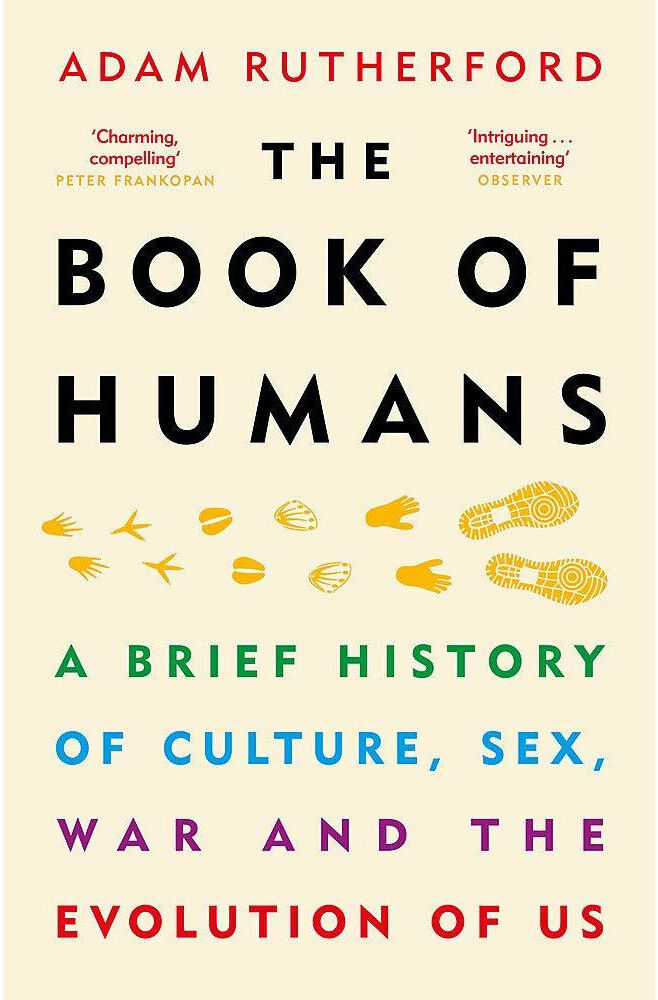
Orion The Book of Humans by Adam Rutherford – A Brief History of Culture, Sex, War & EvolutionWHAT MAKES US HUMAN? Waging war? Sex for pleasure? Creating art? Mastery of fire? In this thrilling tour of the animal kingdom, Adam Rutherford tells the story of how we became the unique creatures we are today. Illuminated by the latest scientific discoveries, THE BOOK OF HUMANS is a dazzling compendium of what unequivocally fixes us as animals, and reveals how we are extraordinary among them.4,98 £*Shipping: 1,99 £Secure redirect to the provider
-
Titan Assassins Creed - The Complete Visual History: The Definitive Visual HistoryThis stunning book explores the rich mythology of Assassins Creed®, featuring the art and history of the series from the first groundbreaking game through the graphic novels to the DLCs. Highlighting the lush and vibrant art that has become a hallmark of the series, this luxury coffee-table book brings the games famous historical locations and figures to life and explores the evolution of each iconic Assassin and Templar.15,99 £*Shipping: 2,99 £Secure redirect to the provider



-
How do earthquakes occur?
Earthquakes occur when there is a sudden release of energy in the Earth's crust, typically caused by the movement of tectonic plates. The Earth's crust is made up of several large plates that float on the semi-fluid mantle beneath them. When these plates shift or collide, they can create stress and pressure that eventually leads to an earthquake. The release of this energy sends seismic waves through the Earth, causing the ground to shake. **
-
Are there earthquakes in Germany?
Yes, Germany does experience earthquakes, but they are relatively rare and usually of low to moderate magnitude. The most seismically active areas in Germany are in the southwest, near the border with France, and in the southeast, near the border with the Czech Republic. While the frequency and intensity of earthquakes in Germany are not as high as in some other regions of the world, the country does have a history of seismic activity. **
-
Is there really earthquakes in Germany?
Yes, Germany does experience earthquakes, although they are relatively rare and usually of low to moderate magnitude. The most seismically active areas in Germany are in the southwest, near the border with France, and in the southeast, near the border with the Czech Republic. While the frequency and intensity of earthquakes in Germany are not as high as in some other regions of the world, the country does have a history of seismic activity. **
-
What is the topic of earthquakes?
The topic of earthquakes is the sudden shaking or trembling of the Earth's surface caused by the movement of tectonic plates beneath the Earth's crust. Earthquakes can vary in size and intensity, and they can have devastating effects on the environment and human populations. The study of earthquakes involves understanding their causes, predicting their occurrence, and mitigating their impact through measures such as building codes and emergency preparedness. **
Why are there earthquakes in Turkey?
Turkey is located on the boundary of the Eurasian and African tectonic plates, making it a seismically active region. The collision of these two plates causes frequent earthquakes as the Earth's crust shifts and releases energy. Additionally, Turkey is part of the Mediterranean region, which is known for its complex tectonic activity, further contributing to the occurrence of earthquakes in the country. The combination of these geological factors makes Turkey prone to experiencing earthquakes. **
Can artificial earthquakes be created nowadays?
Yes, artificial earthquakes can be created nowadays through a process known as induced seismicity. This can occur as a result of human activities such as mining, reservoir-induced seismicity from filling large reservoirs, or hydraulic fracturing (fracking) for oil and gas extraction. While these induced earthquakes are typically smaller in magnitude than natural earthquakes, they can still pose risks to infrastructure and communities in the affected areas. Efforts are being made to better understand and mitigate the risks associated with induced seismicity. **
Top-Angebote
Products related to Earthquakes:
-
Usborne Beginners Series Science 10 Books Set Children’s Educational Books (Includes Earthquakes & Tsunamis) - NEW HARDCOVERUsborne - Beginner's Science Collection - 10 Books Set Inspire curiosity and a love of learning with the Usborne Beginners Science Series – 10 Books Collection Set, created by Usborne. This engaging educational collection introduces young readers to fascinating science topics through clear explanations, vivid illustrations, and easy-to-read text. Covering subjects such as Earthquakes and Tsunamis, nature, space, and the world around us, these books make complex ideas accessible and exciting. Designed for independent readers and classroom use, the Usborne Beginners series supports early STEM learning, reading confidence, and general knowledge development. Why Parents & Teachers Love This Collection: 10 engaging science books for children Covers key topics including Earthquakes & Tsunamis Easy-to-read format ideal for beginners Bright illustrations and simple explanations Perfect for ages 6–10 and early learners A fantastic introduction to science, the Usborne Beginners Collection helps children explore, question, and understand the world around them. Earthquakes and Tsunamis This is a fantastic addition to the popular Beginners series, providing an informative introduction to the fascinating world of earthquakes for young readers. There are clear explanations of the science behind different types of earthquakes and their effects, including tsunamis and landslides. This title features real-life earthquakes, and describes how people are kept safe and rescued when disaster strikes. Striking colour photographs and step-by-step illustrations engage readers with the subject matter. This title is developed with a reading expert from Roehampton University to help young readers grow in confidence. Sun Moon and Stars What is the Sun made of? How did astronauts get to the Moon and what did they find there? For children beginning to read on their own, this book is an exciting introduction to space. Includes vivid, full colour illustrations and photographs on every page, and easy-to-read text specially written with the help of a reading expert Living in Space How do astronauts travel into space? Where do they live when they get there? What do they do all day? In this book you'll find the answers and lots more amazing facts about living in space. This non-fiction series aims to encourage children to access the wonder of the world around them. The easy-to-read text has been specially written with the help of a reading expert Storms and Hurricanes How do astronauts travel into space? Where do they live when they get there? What do they do all day? In this book you'll find the answers and lots more amazing facts about living in space. This non-fiction series aims to encourage children to access the wonder of the world around them. The easy-to-read text has been specially written with the help of a reading expert Volcanoes An introduction to earthquakes and volcanoes. The sensational images combine with lively text, amazing facts, diagrams and a...17,99 £*Shipping: 2,99 £Secure redirect to the provider
-
Usborne Beginners Science Series – 10 Book Classroom Set Primary School STEM & Nonfiction Learning Books (Includes Earthquakes & Tsunamis)Inspire curiosity and a love of learning with the Usborne Beginners Science Series – 10 Books Collection Set, created by Usborne. This engaging educational collection introduces young readers to fascinating science topics through clear explanations, vivid illustrations, and easy-to-read text. Covering subjects such as Earthquakes and Tsunamis, nature, space, and the world around us, these books make complex ideas accessible and exciting. Designed for independent readers and classroom use, the Usborne Beginners series supports early STEM learning, reading confidence, and general knowledge development. Why Parents & Teachers Love This Collection: 10 engaging science books for children Covers key topics including Earthquakes & Tsunamis Easy-to-read format ideal for beginners Bright illustrations and simple explanations Perfect for ages 6–10 and early learners A fantastic introduction to science, the Usborne Beginners Collection helps children explore, question, and understand the world around them. Earthquakes and Tsunamis This is a fantastic addition to the popular Beginners series, providing an informative introduction to the fascinating world of earthquakes for young readers. There are clear explanations of the science behind different types of earthquakes and their effects, including tsunamis and landslides. This title features real-life earthquakes, and describes how people are kept safe and rescued when disaster strikes. Striking colour photographs and step-by-step illustrations engage readers with the subject matter. This title is developed with a reading expert from Roehampton University to help young readers grow in confidence. Sun Moon and Stars What is the Sun made of? How did astronauts get to the Moon and what did they find there? For children beginning to read on their own, this book is an exciting introduction to space. Includes vivid, full colour illustrations and photographs on every page, and easy-to-read text specially written with the help of a reading expert Living in Space How do astronauts travel into space? Where do they live when they get there? What do they do all day? In this book you'll find the answers and lots more amazing facts about living in space. This non-fiction series aims to encourage children to access the wonder of the world around them. The easy-to-read text has been specially written with the help of a reading expert Storms and Hurricanes How do astronauts travel into space? Where do they live when they get there? What do they do all day? In this book you'll find the answers and lots more amazing facts about living in space. This non-fiction series aims to encourage children to access the wonder of the world around them. The easy-to-read text has been specially written with the help of a reading expert Volcanoes An introduction to earthquakes and volcanoes. The sensational images combine with lively text, amazing facts, diagrams and a comprehensive glossary Astronomy A straightforward book telling...17,99 £*Shipping: 2,99 £Secure redirect to the provider
-
From the Archives: Black History and Culture Value PackThis brand-new series is rooted in a profound commitment to shedding light on some of the important -- and often lesser-known -- aspects of Black history. From the Archives features landmarks, events, people, and artistic endeavors that have played...26,99 $*Shipping: 0,00 $Secure redirect to the provider
-
Orion The Book of Humans by Adam Rutherford – A Brief History of Culture, Sex, War & EvolutionWHAT MAKES US HUMAN? Waging war? Sex for pleasure? Creating art? Mastery of fire? In this thrilling tour of the animal kingdom, Adam Rutherford tells the story of how we became the unique creatures we are today. Illuminated by the latest scientific discoveries, THE BOOK OF HUMANS is a dazzling compendium of what unequivocally fixes us as animals, and reveals how we are extraordinary among them.4,98 £*Shipping: 1,99 £Secure redirect to the provider
-
What causes earthquakes?
Earthquakes are caused by the sudden release of energy in the Earth's crust. This release of energy is typically the result of the movement of tectonic plates, which are large sections of the Earth's crust that float on the semi-fluid asthenosphere beneath them. When these plates move past each other, they can become stuck and then suddenly release, causing seismic waves to propagate through the Earth, resulting in an earthquake. Other causes of earthquakes can include volcanic activity, landslides, and human activities such as mining or reservoir-induced seismicity. **
-
Do earthquakes make noise?
Yes, earthquakes can make noise. The noise is typically caused by the movement of the Earth's crust and the release of energy along the fault lines. This can result in a variety of sounds, including rumbling, cracking, and even roaring. However, the noise from an earthquake may not always be audible to humans, especially if the earthquake is deep underground or if the epicenter is far away. **
-
How do earthquakes occur?
Earthquakes occur when there is a sudden release of energy in the Earth's crust, typically caused by the movement of tectonic plates. The Earth's crust is made up of several large plates that float on the semi-fluid mantle beneath them. When these plates shift or collide, they can create stress and pressure that eventually leads to an earthquake. The release of this energy sends seismic waves through the Earth, causing the ground to shake. **
-
Are there earthquakes in Germany?
Yes, Germany does experience earthquakes, but they are relatively rare and usually of low to moderate magnitude. The most seismically active areas in Germany are in the southwest, near the border with France, and in the southeast, near the border with the Czech Republic. While the frequency and intensity of earthquakes in Germany are not as high as in some other regions of the world, the country does have a history of seismic activity. **
Similar search terms for Earthquakes
-
Titan Assassins Creed - The Complete Visual History: The Definitive Visual HistoryThis stunning book explores the rich mythology of Assassins Creed®, featuring the art and history of the series from the first groundbreaking game through the graphic novels to the DLCs. Highlighting the lush and vibrant art that has become a hallmark of the series, this luxury coffee-table book brings the games famous historical locations and figures to life and explores the evolution of each iconic Assassin and Templar.15,99 £*Shipping: 2,99 £Secure redirect to the provider
-
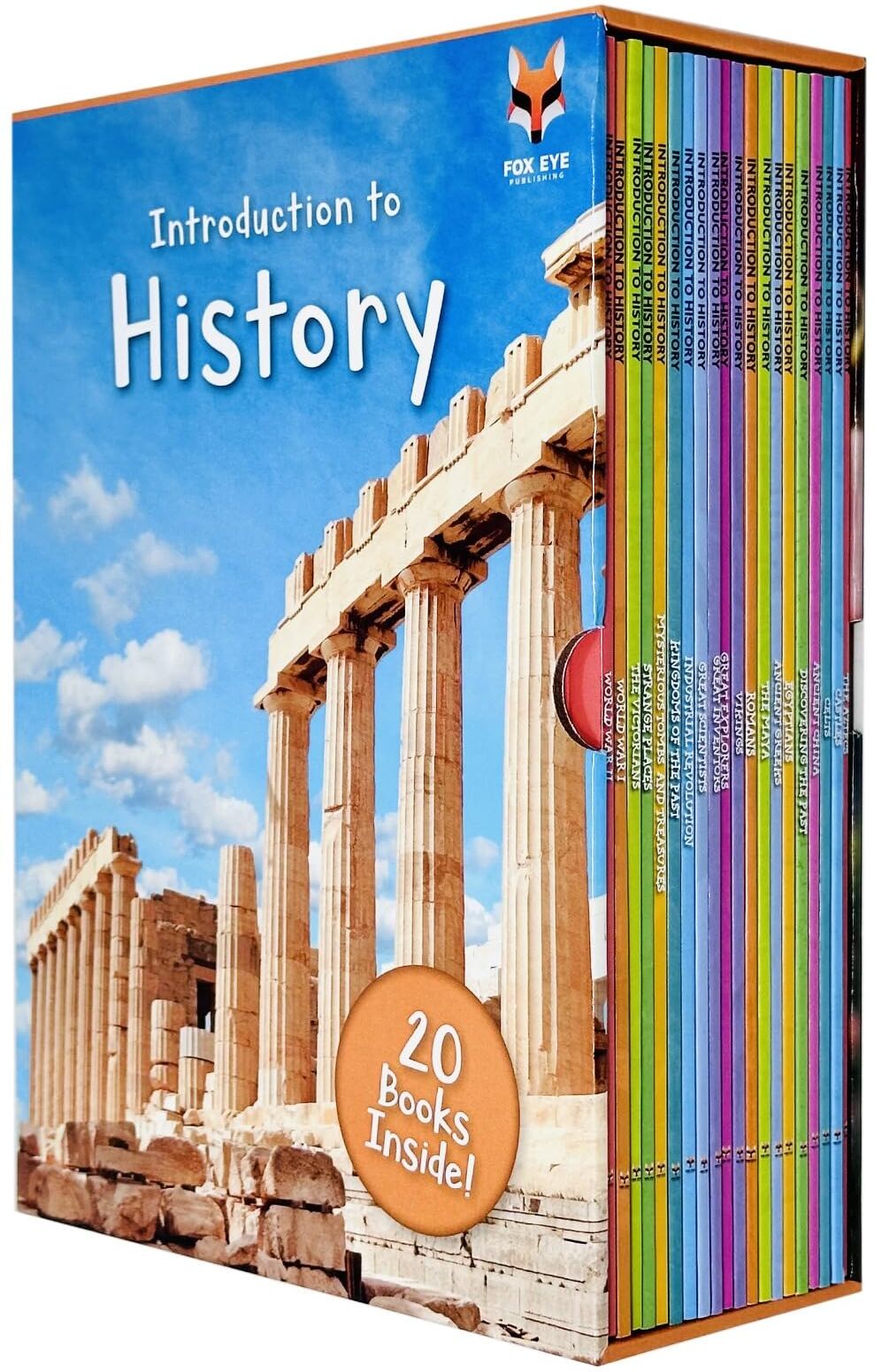
Fox Eye Publishing Introduction to History 20 Books Collection Box Set – Educational History Learning CollectionIntroduction to History 20 Books Collection Box Set (The Aztecs, Castles, Celts, Ancient China, Discovering the Past, Egyptians, Ancient Greeks, The Maya, Romans, Vikings, Great Explorers and More) Books in This Collection: Introduction to The Aztecs Introduction to Castles Introduction to Celts Introduction to Ancient China Introduction to Discovering the Past Introduction to Egyptians Introduction to Ancient Greeks Introduction to The Maya Introduction to Romans Introduction to Vikings Introduction to Great Explorers Introduction to Great Inventors Introduction to Great Scientists Introduction to Industrial Revolution Introduction to Kingdoms of the Past Introduction to Mysterious Tombs and Treasures Introduction to Strange Places Introduction to The Victorians Introduction to World War I Introduction to World War II12,99 £*Shipping: 2,99 £Secure redirect to the provider
-
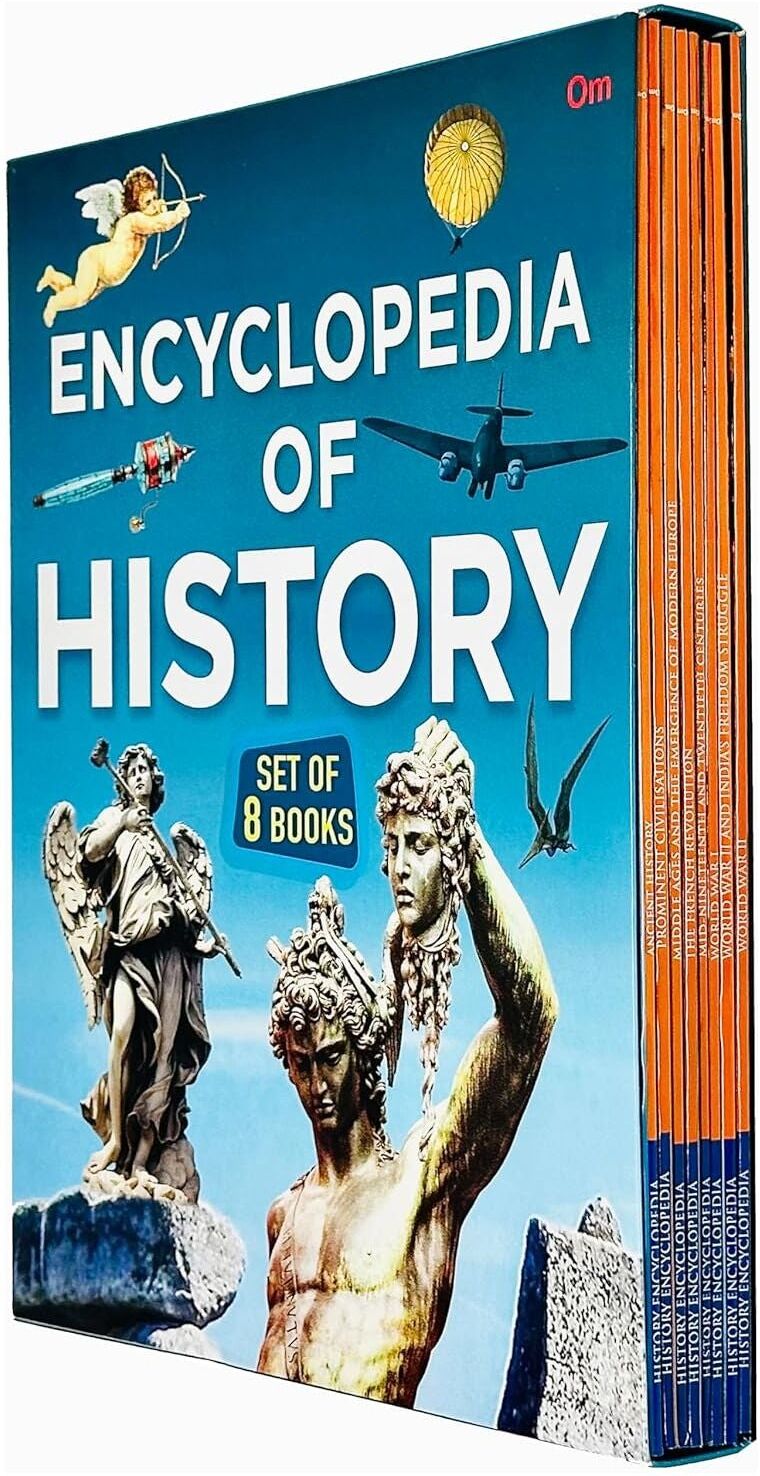
OM Books International Encyclopedia of History 8 Books Collection Set – World War History & Educational Learning CollectionEncyclopedia of History set of 8 books (World War I, World War II, World War II and Indias Freedom Struggle, Mid Nineteenth and Twentieth Centuries, The French Revolution & More): Titles in This Set: Encyclopedia: World War I Encyclopedia: World War II Encyclopedia: World War II and Indias Freedom Struggle Encyclopedia: Mid Nineteenth and Twentieth Centuries Encyclopedia: The French Revolution Encyclopedia: Middle Ages and the Emergence of Modern Europe Encyclopedia: Prominent Civilisations Encyclopedia: Ancient History Description: What made humans the way they are today? How were civilisations formed and erased? What makes up history? Get answers to all the questions and more in this history encyclopedia. Go back in time and learn all about human history, right from the time man began his journey in stone caves. Relive epic battles, learn about the rise and fall of great empires and a lot more.9,90 £*Shipping: 2,99 £Secure redirect to the provider
-
Is there really earthquakes in Germany?
Yes, Germany does experience earthquakes, although they are relatively rare and usually of low to moderate magnitude. The most seismically active areas in Germany are in the southwest, near the border with France, and in the southeast, near the border with the Czech Republic. While the frequency and intensity of earthquakes in Germany are not as high as in some other regions of the world, the country does have a history of seismic activity. **
-
What is the topic of earthquakes?
The topic of earthquakes is the sudden shaking or trembling of the Earth's surface caused by the movement of tectonic plates beneath the Earth's crust. Earthquakes can vary in size and intensity, and they can have devastating effects on the environment and human populations. The study of earthquakes involves understanding their causes, predicting their occurrence, and mitigating their impact through measures such as building codes and emergency preparedness. **
-
Why are there earthquakes in Turkey?
Turkey is located on the boundary of the Eurasian and African tectonic plates, making it a seismically active region. The collision of these two plates causes frequent earthquakes as the Earth's crust shifts and releases energy. Additionally, Turkey is part of the Mediterranean region, which is known for its complex tectonic activity, further contributing to the occurrence of earthquakes in the country. The combination of these geological factors makes Turkey prone to experiencing earthquakes. **
-
Can artificial earthquakes be created nowadays?
Yes, artificial earthquakes can be created nowadays through a process known as induced seismicity. This can occur as a result of human activities such as mining, reservoir-induced seismicity from filling large reservoirs, or hydraulic fracturing (fracking) for oil and gas extraction. While these induced earthquakes are typically smaller in magnitude than natural earthquakes, they can still pose risks to infrastructure and communities in the affected areas. Efforts are being made to better understand and mitigate the risks associated with induced seismicity. **
* All prices are inclusive of VAT and, if applicable, plus shipping costs. The offer information is based on the details provided by the respective shop and is updated through automated processes. Real-time updates do not occur, so deviations can occur in individual cases. ** Note: Parts of this content were created by AI.