Buy wetzlar.eu ?
We are moving the project
wetzlar.eu .
Are you interested in purchasing the domain
wetzlar.eu ?
domain@kv-gmbh.de · 0541-91531010
Buy wetzlar.eu ?
What are the ecological benefits of tourism?
Tourism can have several ecological benefits when managed sustainably. It can provide economic incentives for the conservation of natural areas, as well as support for the protection of wildlife and ecosystems. Additionally, tourism can raise awareness about environmental issues and promote the importance of conservation. When done responsibly, tourism can also contribute to the preservation of cultural heritage and traditional practices, which are often closely linked to the natural environment. **
What is the difference between ecological backpack, ecological balance, and ecological footprint?
The ecological backpack refers to the amount of natural resources and energy required to support an individual's lifestyle and consumption habits. Ecological balance refers to the state of equilibrium within an ecosystem, where the interactions between living organisms and their environment are stable and sustainable. Ecological footprint measures the impact of human activities on the environment by calculating the amount of biologically productive land and water required to sustain those activities. In summary, the ecological backpack focuses on individual consumption, ecological balance on the stability of ecosystems, and ecological footprint on the overall environmental impact of human activities. **


Similar search terms for Ecological
Top-Angebote
Products related to Ecological:
-
From the Archives: Black History and Culture Value PackThis brand-new series is rooted in a profound commitment to shedding light on some of the important -- and often lesser-known -- aspects of Black history. From the Archives features landmarks, events, people, and artistic endeavors that have played...26,99 $*Shipping: 0,00 $Secure redirect to the provider
-
Uplift Essentials Fish Tank Living Room Small Mini Douyu Tank Household Tabletop Ecological Tank Self Circulating Back Filter Goldfish Tan whiteBring tranquility to your home or office with this mini ecological fish tank. Designed with a selfcirculating back filter system, it ensures your goldfish or bettas thrive in a clean and healthy environment. Perfect for desktops, tabletops, and...98,97 $*Shipping: 0,00 $Secure redirect to the provider
-
Uplift Essentials Mini Ecological Fish Tank With LED Light And Self Circulating Filter Compact Desktop Aquarium For Home Or Office whiteBring life and tranquility to your space with the Mini Ecological Fish Tank, a compact and stylish aquarium designed for effortless beauty and functionality. Perfect for desktops, living rooms, or bedside tables, this selfcirculating tank combines...96,97 $*Shipping: 0,00 $Secure redirect to the provider
-
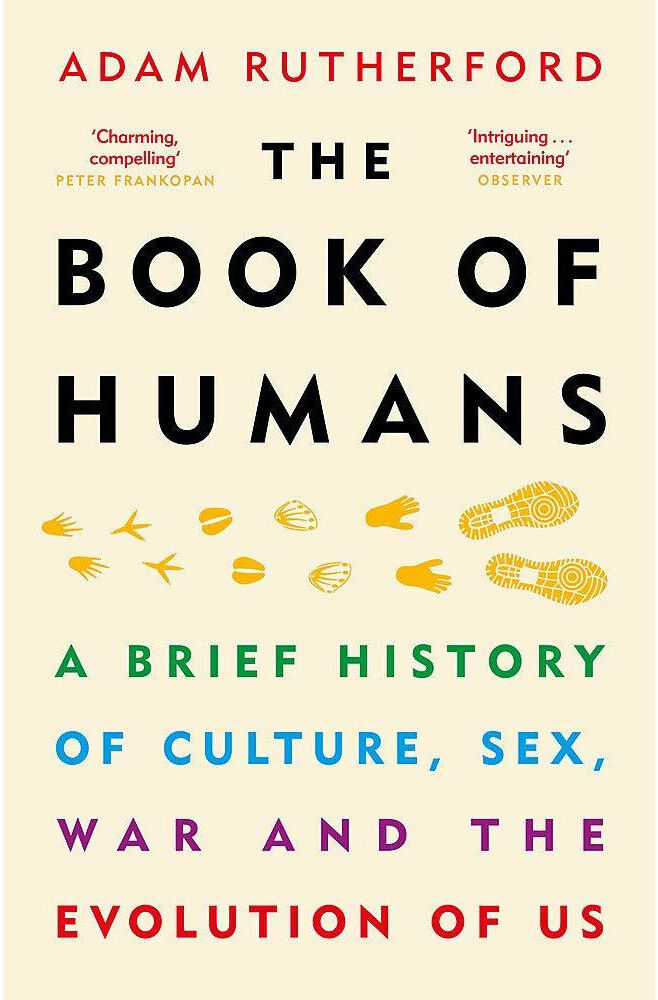
Orion The Book of Humans by Adam Rutherford – A Brief History of Culture, Sex, War & EvolutionWHAT MAKES US HUMAN? Waging war? Sex for pleasure? Creating art? Mastery of fire? In this thrilling tour of the animal kingdom, Adam Rutherford tells the story of how we became the unique creatures we are today. Illuminated by the latest scientific discoveries, THE BOOK OF HUMANS is a dazzling compendium of what unequivocally fixes us as animals, and reveals how we are extraordinary among them.4,98 £*Shipping: 1,99 £Secure redirect to the provider



-
What is ecological construction?
Ecological construction, also known as green construction or sustainable construction, refers to the practice of designing, building, and operating buildings in an environmentally responsible and resource-efficient manner. This approach aims to minimize the environmental impact of construction projects by using sustainable materials, reducing energy consumption, and incorporating renewable energy sources. Ecological construction also focuses on creating healthy and comfortable indoor environments for occupants while minimizing waste and pollution. Overall, ecological construction seeks to promote a more sustainable and harmonious relationship between the built environment and the natural world. **
-
What are ecological conditions?
Ecological conditions refer to the physical, chemical, and biological factors that influence the health and functioning of an ecosystem. These conditions include factors such as temperature, precipitation, soil composition, and the presence of other living organisms. Ecological conditions play a crucial role in determining the distribution and abundance of species within an ecosystem, as well as the overall productivity and stability of the ecosystem. Understanding and monitoring ecological conditions is important for conservation and management efforts to maintain healthy and functioning ecosystems. **
-
What is ecological tolerance?
Ecological tolerance refers to the range of environmental conditions within which a species can survive and reproduce. This includes factors such as temperature, humidity, pH, and nutrient availability. Species with a wide ecological tolerance can thrive in a variety of conditions, while those with narrow tolerance are more limited in their ability to survive in different environments. Understanding ecological tolerance is important for conservation efforts and managing ecosystems, as it helps to predict how species may respond to environmental changes. **
-
What are ecological damages?
Ecological damages refer to the harm or destruction caused to the natural environment and its ecosystems. This can include pollution, deforestation, habitat destruction, and the loss of biodiversity. Ecological damages can have far-reaching impacts on the balance of ecosystems, the health of plant and animal species, and the overall sustainability of the environment. These damages can disrupt the natural processes that support life on Earth and can have negative effects on human communities as well. **

What are ecological standards?
Ecological standards are guidelines and criteria that are set to ensure that human activities and products are environmentally friendly and sustainable. These standards aim to minimize negative impacts on ecosystems and biodiversity, promote conservation of natural resources, and reduce pollution and waste. By adhering to ecological standards, businesses, industries, and individuals can help protect the environment and contribute to a more sustainable future. **
What are ecological problems?
Ecological problems are issues that arise from the disruption of the natural balance and functioning of ecosystems. These problems can include habitat destruction, pollution, climate change, deforestation, loss of biodiversity, and overexploitation of natural resources. Ecological problems can have far-reaching impacts on the environment, wildlife, and human populations, leading to negative consequences such as species extinction, water and air pollution, and disruptions to the food chain. Addressing these problems requires a holistic approach that considers the interconnectedness of all living organisms and their environments. **
Top-Angebote
Products related to Ecological:
-
Christopher Knight Home - Classic Ecological Outdoor 25.04''H Garden Decorative Birdbath with Column Pedestal BaseEnhance the beauty of your outdoor space with this elegant pedestal birdbath, designed to attract birds while adding classic charm to your garden décor.142,83 $*Shipping: 0,00 $Secure redirect to the provider
-
Inspire Essentials Mini Ecological Fish Tank With Self Circulating Filter For Home And Office whiteBring a touch of nature into your space with our beautifully designed mini fish tank, perfect for living rooms, desktops, or offices. This compact yet stylish tank creates a soothing environment for your goldfish or aquatic plants, making it both a...112,48 $*Shipping: 0,00 $Secure redirect to the provider
-
From the Archives: Black History and Culture Value PackThis brand-new series is rooted in a profound commitment to shedding light on some of the important -- and often lesser-known -- aspects of Black history. From the Archives features landmarks, events, people, and artistic endeavors that have played...26,99 $*Shipping: 0,00 $Secure redirect to the provider
-
Uplift Essentials Fish Tank Living Room Small Mini Douyu Tank Household Tabletop Ecological Tank Self Circulating Back Filter Goldfish Tan whiteBring tranquility to your home or office with this mini ecological fish tank. Designed with a selfcirculating back filter system, it ensures your goldfish or bettas thrive in a clean and healthy environment. Perfect for desktops, tabletops, and...98,97 $*Shipping: 0,00 $Secure redirect to the provider
-
What are the ecological benefits of tourism?
Tourism can have several ecological benefits when managed sustainably. It can provide economic incentives for the conservation of natural areas, as well as support for the protection of wildlife and ecosystems. Additionally, tourism can raise awareness about environmental issues and promote the importance of conservation. When done responsibly, tourism can also contribute to the preservation of cultural heritage and traditional practices, which are often closely linked to the natural environment. **
-
What is the difference between ecological backpack, ecological balance, and ecological footprint?
The ecological backpack refers to the amount of natural resources and energy required to support an individual's lifestyle and consumption habits. Ecological balance refers to the state of equilibrium within an ecosystem, where the interactions between living organisms and their environment are stable and sustainable. Ecological footprint measures the impact of human activities on the environment by calculating the amount of biologically productive land and water required to sustain those activities. In summary, the ecological backpack focuses on individual consumption, ecological balance on the stability of ecosystems, and ecological footprint on the overall environmental impact of human activities. **
-
What is ecological construction?
Ecological construction, also known as green construction or sustainable construction, refers to the practice of designing, building, and operating buildings in an environmentally responsible and resource-efficient manner. This approach aims to minimize the environmental impact of construction projects by using sustainable materials, reducing energy consumption, and incorporating renewable energy sources. Ecological construction also focuses on creating healthy and comfortable indoor environments for occupants while minimizing waste and pollution. Overall, ecological construction seeks to promote a more sustainable and harmonious relationship between the built environment and the natural world. **
-
What are ecological conditions?
Ecological conditions refer to the physical, chemical, and biological factors that influence the health and functioning of an ecosystem. These conditions include factors such as temperature, precipitation, soil composition, and the presence of other living organisms. Ecological conditions play a crucial role in determining the distribution and abundance of species within an ecosystem, as well as the overall productivity and stability of the ecosystem. Understanding and monitoring ecological conditions is important for conservation and management efforts to maintain healthy and functioning ecosystems. **
Similar search terms for Ecological
-
Uplift Essentials Mini Ecological Fish Tank With LED Light And Self Circulating Filter Compact Desktop Aquarium For Home Or Office whiteBring life and tranquility to your space with the Mini Ecological Fish Tank, a compact and stylish aquarium designed for effortless beauty and functionality. Perfect for desktops, living rooms, or bedside tables, this selfcirculating tank combines...96,97 $*Shipping: 0,00 $Secure redirect to the provider
-
Orion The Book of Humans by Adam Rutherford – A Brief History of Culture, Sex, War & EvolutionWHAT MAKES US HUMAN? Waging war? Sex for pleasure? Creating art? Mastery of fire? In this thrilling tour of the animal kingdom, Adam Rutherford tells the story of how we became the unique creatures we are today. Illuminated by the latest scientific discoveries, THE BOOK OF HUMANS is a dazzling compendium of what unequivocally fixes us as animals, and reveals how we are extraordinary among them.4,98 £*Shipping: 1,99 £Secure redirect to the provider
-
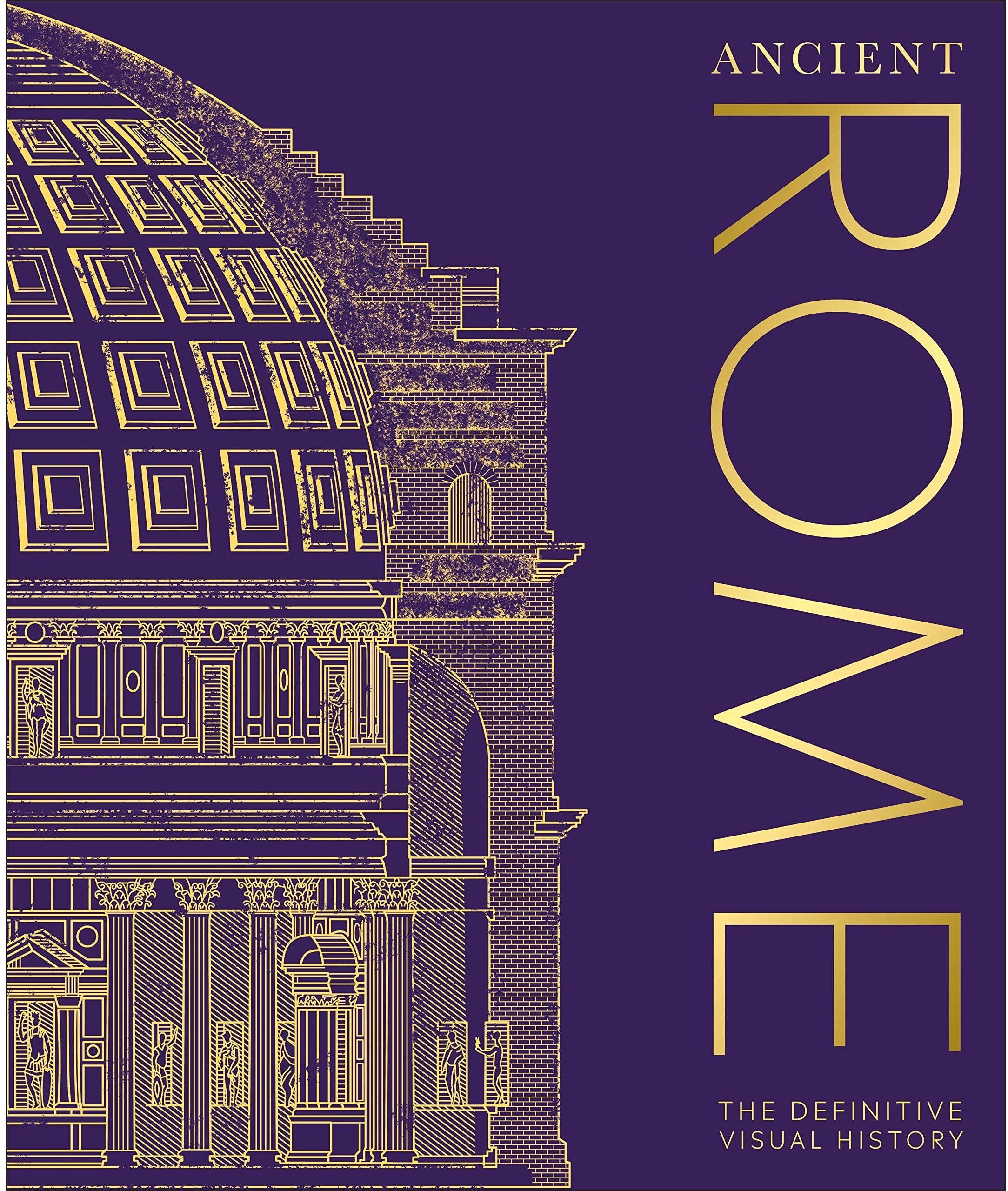
Ancient Rome: The Definitive Visual History (DK Classic History)Immerse yourself in the history of ancient Rome - from its origins as a small settlement on the Palatine Hill to its peak as an empire reigning over 90 million people, and its tumultuous decline. Covering more than 1,000 years of history, and an empire that stretched from Scotland to Syria, Ancient Rome reveals in vivid detail all of the key political, cultural, and military events that shaped the Roman Empire and explores what it was like to live in a society that laid the foundations for many aspects of the modern world. Sumptuous photography and engaging text cover every facet of life in ancient Rome, from art, entertainment, and fashion to engineering, medicine, and war, while detailed maps trace the rise of the mighty Roman Empire. Step back in time in the pages of this history book to discover:- Themed spreads explore developments in areas such as sculpture, religion, warfare, and engineering. - Includes tales of the most dramatic events and battles in Roman history, as well as profiles of influential historical and cultural figures. - An optional 80pp reference section includes sections on rulers, gods and goddesses, and key sites. Featuring Rome's greatest emperors, from Augustus to Constantine, as well as profiles of generals, historians, and influential women, Ancient Rome also delves into the fascinating stories of gladiators, bakers, and enslaved people. The most iconic buildings of Rome are brought to life with specially commissioned CGI recreations, while the stories of ordinary citizens, soldiers, and persecuted groups from across the empire are told with the help of illustrations, artefacts, and eyewitness accounts. Beautifully illustrated and unparalleled in scope, Ancient Rome is the perfect book for anyone who is interested in this defining period of world history.19,95 £*Shipping: 2,99 £Secure redirect to the provider
-
Inspire Essentials Mini Ecological Fish Tank With Self Circulating Filter For Home And Office blackBring a touch of nature into your space with our beautifully designed mini fish tank, perfect for living rooms, desktops, or offices. This compact yet stylish tank creates a soothing environment for your goldfish or aquatic plants, making it both a...112,48 $*Shipping: 0,00 $Secure redirect to the provider
-
What is ecological tolerance?
Ecological tolerance refers to the range of environmental conditions within which a species can survive and reproduce. This includes factors such as temperature, humidity, pH, and nutrient availability. Species with a wide ecological tolerance can thrive in a variety of conditions, while those with narrow tolerance are more limited in their ability to survive in different environments. Understanding ecological tolerance is important for conservation efforts and managing ecosystems, as it helps to predict how species may respond to environmental changes. **
-
What are ecological damages?
Ecological damages refer to the harm or destruction caused to the natural environment and its ecosystems. This can include pollution, deforestation, habitat destruction, and the loss of biodiversity. Ecological damages can have far-reaching impacts on the balance of ecosystems, the health of plant and animal species, and the overall sustainability of the environment. These damages can disrupt the natural processes that support life on Earth and can have negative effects on human communities as well. **
-
What are ecological standards?
Ecological standards are guidelines and criteria that are set to ensure that human activities and products are environmentally friendly and sustainable. These standards aim to minimize negative impacts on ecosystems and biodiversity, promote conservation of natural resources, and reduce pollution and waste. By adhering to ecological standards, businesses, industries, and individuals can help protect the environment and contribute to a more sustainable future. **
-
What are ecological problems?
Ecological problems are issues that arise from the disruption of the natural balance and functioning of ecosystems. These problems can include habitat destruction, pollution, climate change, deforestation, loss of biodiversity, and overexploitation of natural resources. Ecological problems can have far-reaching impacts on the environment, wildlife, and human populations, leading to negative consequences such as species extinction, water and air pollution, and disruptions to the food chain. Addressing these problems requires a holistic approach that considers the interconnectedness of all living organisms and their environments. **
* All prices are inclusive of VAT and, if applicable, plus shipping costs. The offer information is based on the details provided by the respective shop and is updated through automated processes. Real-time updates do not occur, so deviations can occur in individual cases. ** Note: Parts of this content were created by AI.