Buy wetzlar.eu ?
We are moving the project
wetzlar.eu .
Are you interested in purchasing the domain
wetzlar.eu ?
domain@kv-gmbh.de · 0541-91531010
Buy wetzlar.eu ?
What is Eurasia?
Eurasia is a continent that comprises the combined landmass of Europe and Asia. It is the largest and most populous continent on Earth, covering about 36.2% of the planet's total land area and is home to over 5 billion people. Eurasia is known for its diverse cultures, languages, and landscapes, ranging from the icy tundra of Siberia to the bustling cities of Western Europe. The continent is also significant in terms of geopolitics and global trade, as it serves as a bridge between the East and the West. **
Will Putin really create a Eurasia?
It is uncertain whether Putin will be able to create a unified Eurasia. While he has expressed the idea of a Eurasian Union, which would bring together former Soviet states, there are significant challenges to achieving this goal. Many of these countries have their own national interests and are wary of Russia's influence. Additionally, the European Union and other global powers may oppose the creation of a unified Eurasia, as it could shift the balance of power in the region. Therefore, while Putin may continue to pursue this vision, it is unclear whether he will be successful in creating a unified Eurasia. **
Similar search terms for Eurasia
Top-Angebote
Products related to Eurasia:
-
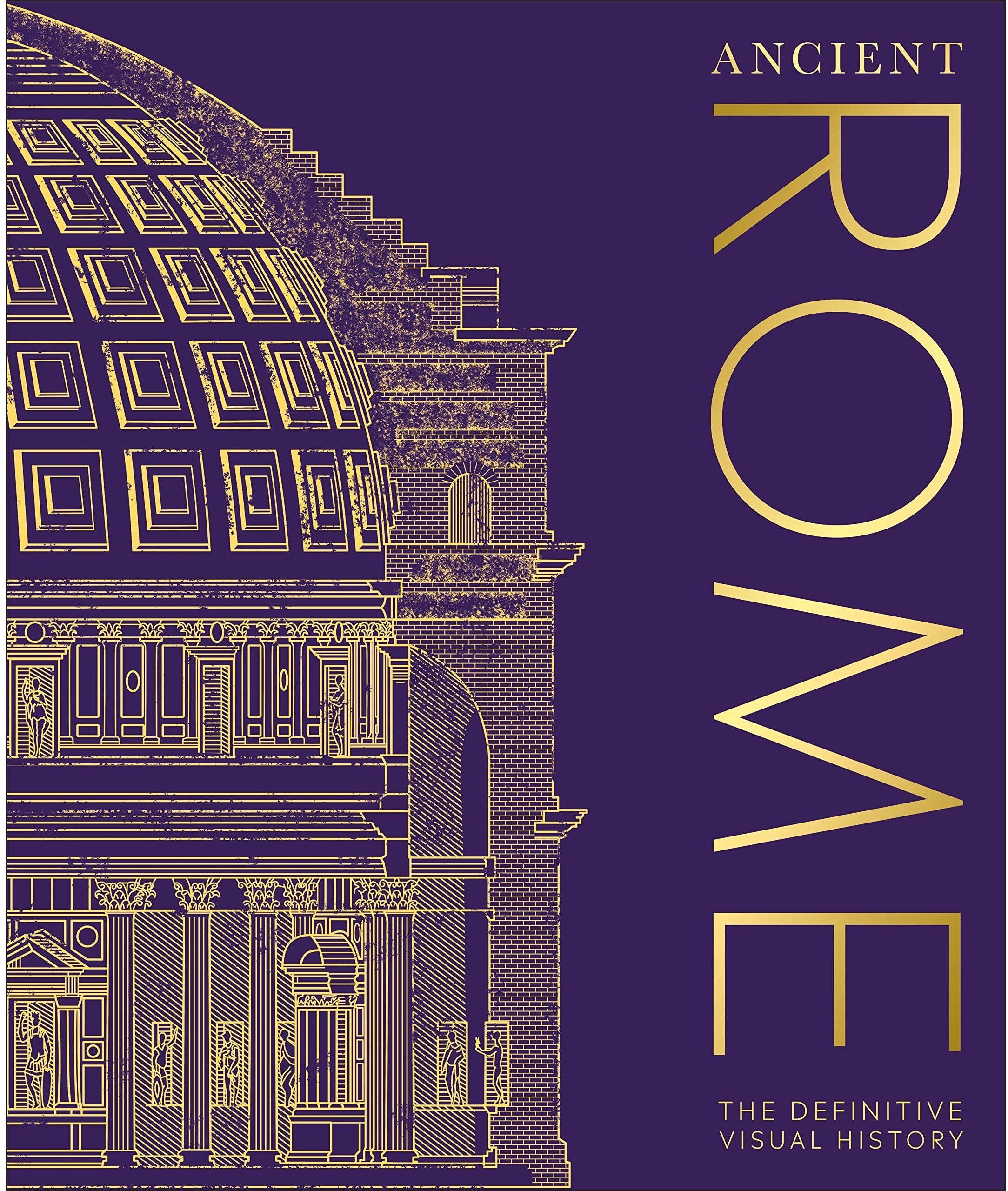
Ancient Rome: The Definitive Visual History (DK Classic History)Immerse yourself in the history of ancient Rome - from its origins as a small settlement on the Palatine Hill to its peak as an empire reigning over 90 million people, and its tumultuous decline. Covering more than 1,000 years of history, and an empire that stretched from Scotland to Syria, Ancient Rome reveals in vivid detail all of the key political, cultural, and military events that shaped the Roman Empire and explores what it was like to live in a society that laid the foundations for many aspects of the modern world. Sumptuous photography and engaging text cover every facet of life in ancient Rome, from art, entertainment, and fashion to engineering, medicine, and war, while detailed maps trace the rise of the mighty Roman Empire. Step back in time in the pages of this history book to discover:- Themed spreads explore developments in areas such as sculpture, religion, warfare, and engineering. - Includes tales of the most dramatic events and battles in Roman history, as well as profiles of influential historical and cultural figures. - An optional 80pp reference section includes sections on rulers, gods and goddesses, and key sites. Featuring Rome's greatest emperors, from Augustus to Constantine, as well as profiles of generals, historians, and influential women, Ancient Rome also delves into the fascinating stories of gladiators, bakers, and enslaved people. The most iconic buildings of Rome are brought to life with specially commissioned CGI recreations, while the stories of ordinary citizens, soldiers, and persecuted groups from across the empire are told with the help of illustrations, artefacts, and eyewitness accounts. Beautifully illustrated and unparalleled in scope, Ancient Rome is the perfect book for anyone who is interested in this defining period of world history.19,95 £*Shipping: 2,99 £Secure redirect to the provider
-
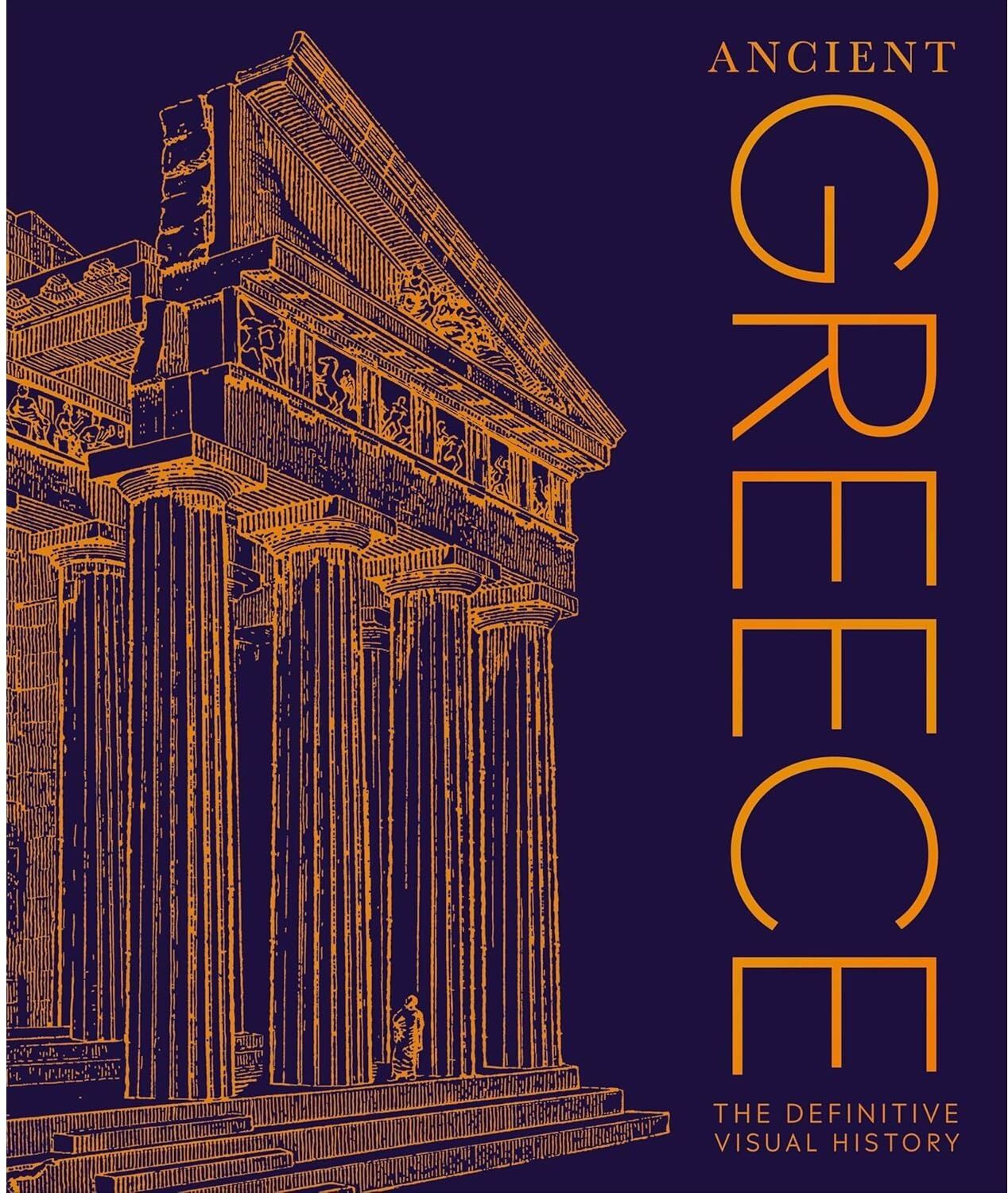
Ancient Greece: The Definitive Visual History (DK Classic History)Embark upon a fascinating journey through ancient Greece – from its rise and fall to its lasting legacy throughout the Western world. Spanning more than 3,000 years, Ancient Greece explores the tumultuous history of this glorious empire in vivid detail – from its Minoan and Mycenaean origins to the apogee of the warring city-states of Athens and Sparta, and from the death of its most charismatic leader, Alexander the Great, to its ultimate defeat by Rome. Sumptuous photography and authoritative, engaging text cover every facet of life in ancient Greece, from art, entertainment, and schools of thought to politics, medicine, and war, while the myths and religious beliefs of the ancient culture are explored and explained in depth. Greece’s military and political power shines through in fascinating maps of its legendary battles. Buried palaces and the Athenian Agora where Plato and Socrates discussed philosophy are brought back to life with stunning CGI artworks. And the stories of everyone from ordinary citizens to lawmakers and the first Olympic athletes are retold through eyewitness accounts and original artefacts.19,99 £*Shipping: 2,99 £Secure redirect to the provider
-
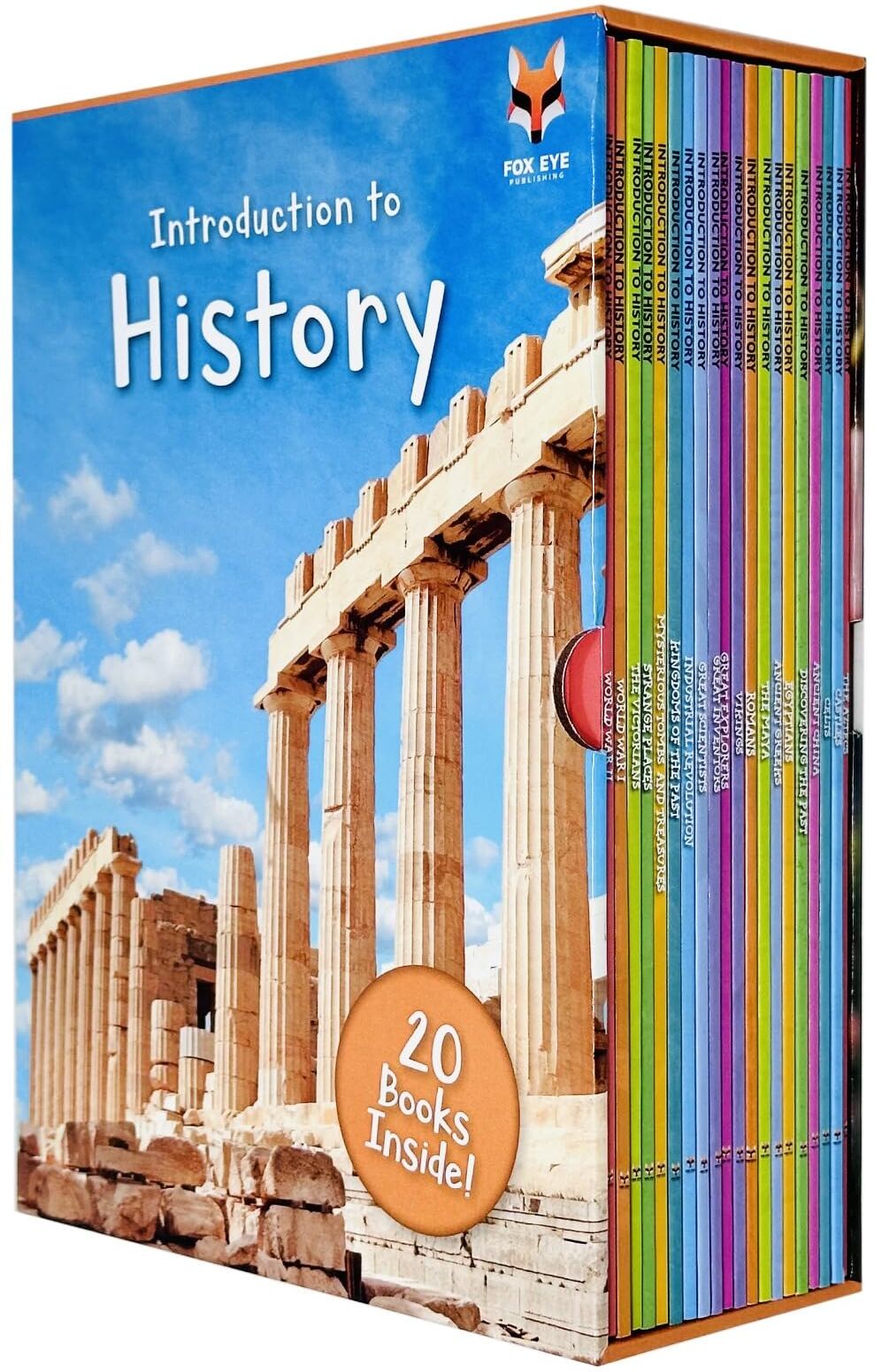
Fox Eye Publishing Introduction to History 20 Books Collection Box Set – Educational History Learning CollectionIntroduction to History 20 Books Collection Box Set (The Aztecs, Castles, Celts, Ancient China, Discovering the Past, Egyptians, Ancient Greeks, The Maya, Romans, Vikings, Great Explorers and More) Books in This Collection: Introduction to The Aztecs Introduction to Castles Introduction to Celts Introduction to Ancient China Introduction to Discovering the Past Introduction to Egyptians Introduction to Ancient Greeks Introduction to The Maya Introduction to Romans Introduction to Vikings Introduction to Great Explorers Introduction to Great Inventors Introduction to Great Scientists Introduction to Industrial Revolution Introduction to Kingdoms of the Past Introduction to Mysterious Tombs and Treasures Introduction to Strange Places Introduction to The Victorians Introduction to World War I Introduction to World War II12,99 £*Shipping: 2,99 £Secure redirect to the provider
-
What are the geographical designations for Europe and Asia, or Eurasia?
Geographically, Europe and Asia are traditionally considered separate continents, with the boundary between them being the Ural Mountains, Ural River, Caspian Sea, and the Caucasus Mountains. However, some geographers and organizations consider Europe and Asia to be part of a single continent called Eurasia. This designation is based on the fact that Europe and Asia share a continuous landmass and are connected by the vast Eurasian Steppe. Ultimately, the division between Europe and Asia is a matter of convention and interpretation, and different perspectives exist on how to classify the two regions. **
-
What would you do if you were living in Eurasia in the year 1984?
If I were living in Eurasia in the year 1984, I would likely be living under the oppressive regime of the Party, as depicted in George Orwell's novel "1984." I would have to be extremely cautious about my thoughts and actions, as the Party closely monitors and controls all aspects of life. I would likely have to conform to the Party's ideology and propaganda, while also trying to find ways to resist and maintain my individuality in secret. It would be a challenging and dangerous existence, but I would have to find ways to navigate the oppressive society while also seeking out like-minded individuals for support and resistance. **
-
What is the FSJ in Museum Culture?
The FSJ, or Freiwilliges Soziales Jahr, in Museum Culture is a voluntary social year program in Germany that allows young people to work in museums and cultural institutions for a period of 6 to 18 months. Participants in the FSJ gain practical experience in various aspects of museum work, such as exhibition organization, visitor services, educational programs, and conservation. This program provides an opportunity for young individuals to explore their interest in museum culture, gain valuable skills, and contribute to the preservation and promotion of cultural heritage. **
-
What are electricity and high culture history?
Electricity history refers to the development and use of electricity as a form of energy, including the discovery of electricity, the invention of electric devices, and the establishment of electrical systems. High culture history, on the other hand, refers to the history of cultural and artistic achievements that are considered to be of high quality and sophistication, such as classical music, literature, fine arts, and theater. Both electricity and high culture history have evolved over time, shaping the way we live and appreciate the world around us. **

What is the difference between low culture and high culture in history?
Low culture refers to the cultural activities and products that are considered to be more common, popular, and easily accessible to the general public. This can include things like popular music, television shows, and mass-produced literature. On the other hand, high culture refers to the cultural activities and products that are considered to be more refined, sophisticated, and often associated with the elite or educated classes. This can include things like classical music, fine art, and literature that is considered to be more intellectually challenging. The distinction between low and high culture has been a source of debate and has evolved over time, but it generally reflects the social and class divisions within a society. **
Is mass tourism a necessary economic factor or a destruction of culture and environment?
Mass tourism can be seen as a necessary economic factor as it brings in revenue and creates jobs in the tourism industry. However, it can also be destructive to culture and the environment if not managed properly. Overcrowding, pollution, and the commercialization of local traditions can lead to the degradation of cultural heritage and natural resources. Therefore, it is important to strike a balance between the economic benefits of mass tourism and the preservation of culture and the environment. **
Top-Angebote
Products related to Eurasia:
-
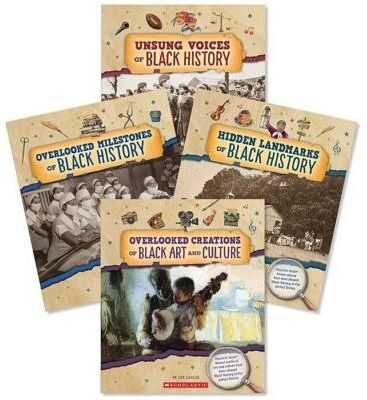
From the Archives: Black History and Culture Value PackThis brand-new series is rooted in a profound commitment to shedding light on some of the important -- and often lesser-known -- aspects of Black history. From the Archives features landmarks, events, people, and artistic endeavors that have played...26,99 $*Shipping: 0,00 $Secure redirect to the provider
-
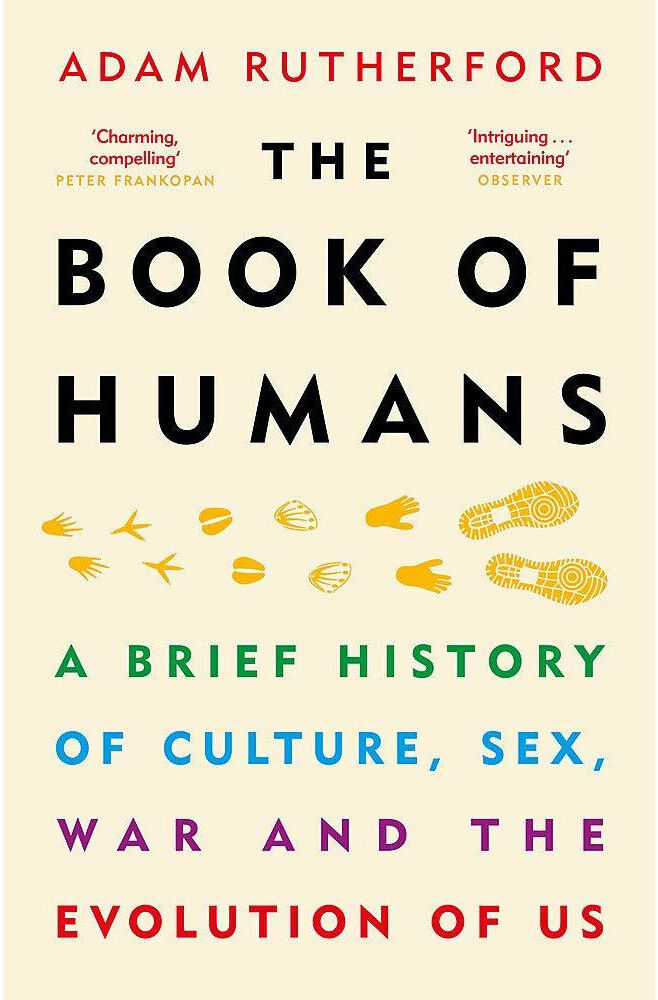
Orion The Book of Humans by Adam Rutherford – A Brief History of Culture, Sex, War & EvolutionWHAT MAKES US HUMAN? Waging war? Sex for pleasure? Creating art? Mastery of fire? In this thrilling tour of the animal kingdom, Adam Rutherford tells the story of how we became the unique creatures we are today. Illuminated by the latest scientific discoveries, THE BOOK OF HUMANS is a dazzling compendium of what unequivocally fixes us as animals, and reveals how we are extraordinary among them.4,98 £*Shipping: 1,99 £Secure redirect to the provider
-
Ancient Rome: The Definitive Visual History (DK Classic History)Immerse yourself in the history of ancient Rome - from its origins as a small settlement on the Palatine Hill to its peak as an empire reigning over 90 million people, and its tumultuous decline. Covering more than 1,000 years of history, and an empire that stretched from Scotland to Syria, Ancient Rome reveals in vivid detail all of the key political, cultural, and military events that shaped the Roman Empire and explores what it was like to live in a society that laid the foundations for many aspects of the modern world. Sumptuous photography and engaging text cover every facet of life in ancient Rome, from art, entertainment, and fashion to engineering, medicine, and war, while detailed maps trace the rise of the mighty Roman Empire. Step back in time in the pages of this history book to discover:- Themed spreads explore developments in areas such as sculpture, religion, warfare, and engineering. - Includes tales of the most dramatic events and battles in Roman history, as well as profiles of influential historical and cultural figures. - An optional 80pp reference section includes sections on rulers, gods and goddesses, and key sites. Featuring Rome's greatest emperors, from Augustus to Constantine, as well as profiles of generals, historians, and influential women, Ancient Rome also delves into the fascinating stories of gladiators, bakers, and enslaved people. The most iconic buildings of Rome are brought to life with specially commissioned CGI recreations, while the stories of ordinary citizens, soldiers, and persecuted groups from across the empire are told with the help of illustrations, artefacts, and eyewitness accounts. Beautifully illustrated and unparalleled in scope, Ancient Rome is the perfect book for anyone who is interested in this defining period of world history.19,95 £*Shipping: 2,99 £Secure redirect to the provider
-
Ancient Greece: The Definitive Visual History (DK Classic History)Embark upon a fascinating journey through ancient Greece – from its rise and fall to its lasting legacy throughout the Western world. Spanning more than 3,000 years, Ancient Greece explores the tumultuous history of this glorious empire in vivid detail – from its Minoan and Mycenaean origins to the apogee of the warring city-states of Athens and Sparta, and from the death of its most charismatic leader, Alexander the Great, to its ultimate defeat by Rome. Sumptuous photography and authoritative, engaging text cover every facet of life in ancient Greece, from art, entertainment, and schools of thought to politics, medicine, and war, while the myths and religious beliefs of the ancient culture are explored and explained in depth. Greece’s military and political power shines through in fascinating maps of its legendary battles. Buried palaces and the Athenian Agora where Plato and Socrates discussed philosophy are brought back to life with stunning CGI artworks. And the stories of everyone from ordinary citizens to lawmakers and the first Olympic athletes are retold through eyewitness accounts and original artefacts.19,99 £*Shipping: 2,99 £Secure redirect to the provider
-
What is Eurasia?
Eurasia is a continent that comprises the combined landmass of Europe and Asia. It is the largest and most populous continent on Earth, covering about 36.2% of the planet's total land area and is home to over 5 billion people. Eurasia is known for its diverse cultures, languages, and landscapes, ranging from the icy tundra of Siberia to the bustling cities of Western Europe. The continent is also significant in terms of geopolitics and global trade, as it serves as a bridge between the East and the West. **
-
Will Putin really create a Eurasia?
It is uncertain whether Putin will be able to create a unified Eurasia. While he has expressed the idea of a Eurasian Union, which would bring together former Soviet states, there are significant challenges to achieving this goal. Many of these countries have their own national interests and are wary of Russia's influence. Additionally, the European Union and other global powers may oppose the creation of a unified Eurasia, as it could shift the balance of power in the region. Therefore, while Putin may continue to pursue this vision, it is unclear whether he will be successful in creating a unified Eurasia. **
-
What are the geographical designations for Europe and Asia, or Eurasia?
Geographically, Europe and Asia are traditionally considered separate continents, with the boundary between them being the Ural Mountains, Ural River, Caspian Sea, and the Caucasus Mountains. However, some geographers and organizations consider Europe and Asia to be part of a single continent called Eurasia. This designation is based on the fact that Europe and Asia share a continuous landmass and are connected by the vast Eurasian Steppe. Ultimately, the division between Europe and Asia is a matter of convention and interpretation, and different perspectives exist on how to classify the two regions. **
-
What would you do if you were living in Eurasia in the year 1984?
If I were living in Eurasia in the year 1984, I would likely be living under the oppressive regime of the Party, as depicted in George Orwell's novel "1984." I would have to be extremely cautious about my thoughts and actions, as the Party closely monitors and controls all aspects of life. I would likely have to conform to the Party's ideology and propaganda, while also trying to find ways to resist and maintain my individuality in secret. It would be a challenging and dangerous existence, but I would have to find ways to navigate the oppressive society while also seeking out like-minded individuals for support and resistance. **
Similar search terms for Eurasia
-
Fox Eye Publishing Introduction to History 20 Books Collection Box Set – Educational History Learning CollectionIntroduction to History 20 Books Collection Box Set (The Aztecs, Castles, Celts, Ancient China, Discovering the Past, Egyptians, Ancient Greeks, The Maya, Romans, Vikings, Great Explorers and More) Books in This Collection: Introduction to The Aztecs Introduction to Castles Introduction to Celts Introduction to Ancient China Introduction to Discovering the Past Introduction to Egyptians Introduction to Ancient Greeks Introduction to The Maya Introduction to Romans Introduction to Vikings Introduction to Great Explorers Introduction to Great Inventors Introduction to Great Scientists Introduction to Industrial Revolution Introduction to Kingdoms of the Past Introduction to Mysterious Tombs and Treasures Introduction to Strange Places Introduction to The Victorians Introduction to World War I Introduction to World War II12,99 £*Shipping: 2,99 £Secure redirect to the provider
-
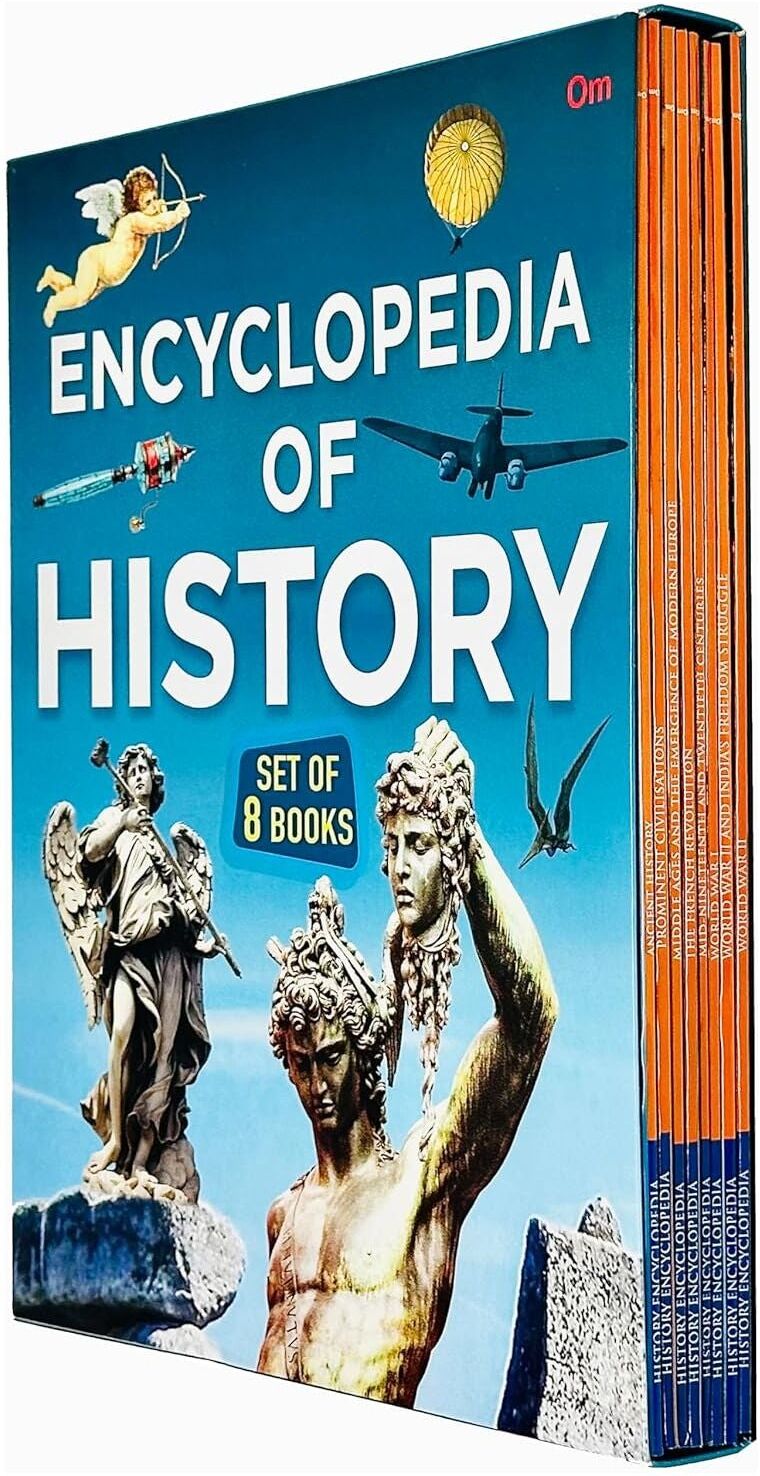
OM Books International Encyclopedia of History 8 Books Collection Set – World War History & Educational Learning CollectionEncyclopedia of History set of 8 books (World War I, World War II, World War II and Indias Freedom Struggle, Mid Nineteenth and Twentieth Centuries, The French Revolution & More): Titles in This Set: Encyclopedia: World War I Encyclopedia: World War II Encyclopedia: World War II and Indias Freedom Struggle Encyclopedia: Mid Nineteenth and Twentieth Centuries Encyclopedia: The French Revolution Encyclopedia: Middle Ages and the Emergence of Modern Europe Encyclopedia: Prominent Civilisations Encyclopedia: Ancient History Description: What made humans the way they are today? How were civilisations formed and erased? What makes up history? Get answers to all the questions and more in this history encyclopedia. Go back in time and learn all about human history, right from the time man began his journey in stone caves. Relive epic battles, learn about the rise and fall of great empires and a lot more.9,90 £*Shipping: 2,99 £Secure redirect to the provider
-
What is the FSJ in Museum Culture?
The FSJ, or Freiwilliges Soziales Jahr, in Museum Culture is a voluntary social year program in Germany that allows young people to work in museums and cultural institutions for a period of 6 to 18 months. Participants in the FSJ gain practical experience in various aspects of museum work, such as exhibition organization, visitor services, educational programs, and conservation. This program provides an opportunity for young individuals to explore their interest in museum culture, gain valuable skills, and contribute to the preservation and promotion of cultural heritage. **
-
What are electricity and high culture history?
Electricity history refers to the development and use of electricity as a form of energy, including the discovery of electricity, the invention of electric devices, and the establishment of electrical systems. High culture history, on the other hand, refers to the history of cultural and artistic achievements that are considered to be of high quality and sophistication, such as classical music, literature, fine arts, and theater. Both electricity and high culture history have evolved over time, shaping the way we live and appreciate the world around us. **
-
What is the difference between low culture and high culture in history?
Low culture refers to the cultural activities and products that are considered to be more common, popular, and easily accessible to the general public. This can include things like popular music, television shows, and mass-produced literature. On the other hand, high culture refers to the cultural activities and products that are considered to be more refined, sophisticated, and often associated with the elite or educated classes. This can include things like classical music, fine art, and literature that is considered to be more intellectually challenging. The distinction between low and high culture has been a source of debate and has evolved over time, but it generally reflects the social and class divisions within a society. **
-
Is mass tourism a necessary economic factor or a destruction of culture and environment?
Mass tourism can be seen as a necessary economic factor as it brings in revenue and creates jobs in the tourism industry. However, it can also be destructive to culture and the environment if not managed properly. Overcrowding, pollution, and the commercialization of local traditions can lead to the degradation of cultural heritage and natural resources. Therefore, it is important to strike a balance between the economic benefits of mass tourism and the preservation of culture and the environment. **
* All prices are inclusive of VAT and, if applicable, plus shipping costs. The offer information is based on the details provided by the respective shop and is updated through automated processes. Real-time updates do not occur, so deviations can occur in individual cases. ** Note: Parts of this content were created by AI.