Buy wetzlar.eu ?
We are moving the project
wetzlar.eu .
Are you interested in purchasing the domain
wetzlar.eu ?
domain@kv-gmbh.de · 0541-91531010
Buy wetzlar.eu ?
'How do you remove LED filaments?'
To remove LED filaments, first make sure the power is turned off to the fixture. Then, carefully unscrew the LED bulb from the socket in a counterclockwise direction. If the LED bulb is stuck, you can use a cloth or rubber gloves to get a better grip and gently twist it out. Once the bulb is removed, dispose of it properly according to local regulations for electronic waste. **
How do you remove sebaceous filaments?
Sebaceous filaments are a natural part of the skin and cannot be permanently removed. However, they can be minimized by regularly cleansing the skin with a gentle cleanser to prevent the buildup of oil and debris. Exfoliating the skin with a gentle exfoliant containing salicylic acid or using a clay mask can help to unclog pores and reduce the appearance of sebaceous filaments. It is important to avoid harsh scrubbing or squeezing, as this can irritate the skin and make the issue worse. **

Similar search terms for Filaments
Top-Angebote
Products related to Filaments:
-
Titan Assassins Creed - The Complete Visual History: The Definitive Visual HistoryThis stunning book explores the rich mythology of Assassins Creed®, featuring the art and history of the series from the first groundbreaking game through the graphic novels to the DLCs. Highlighting the lush and vibrant art that has become a hallmark of the series, this luxury coffee-table book brings the games famous historical locations and figures to life and explores the evolution of each iconic Assassin and Templar.15,99 £*Shipping: 2,99 £Secure redirect to the provider
-
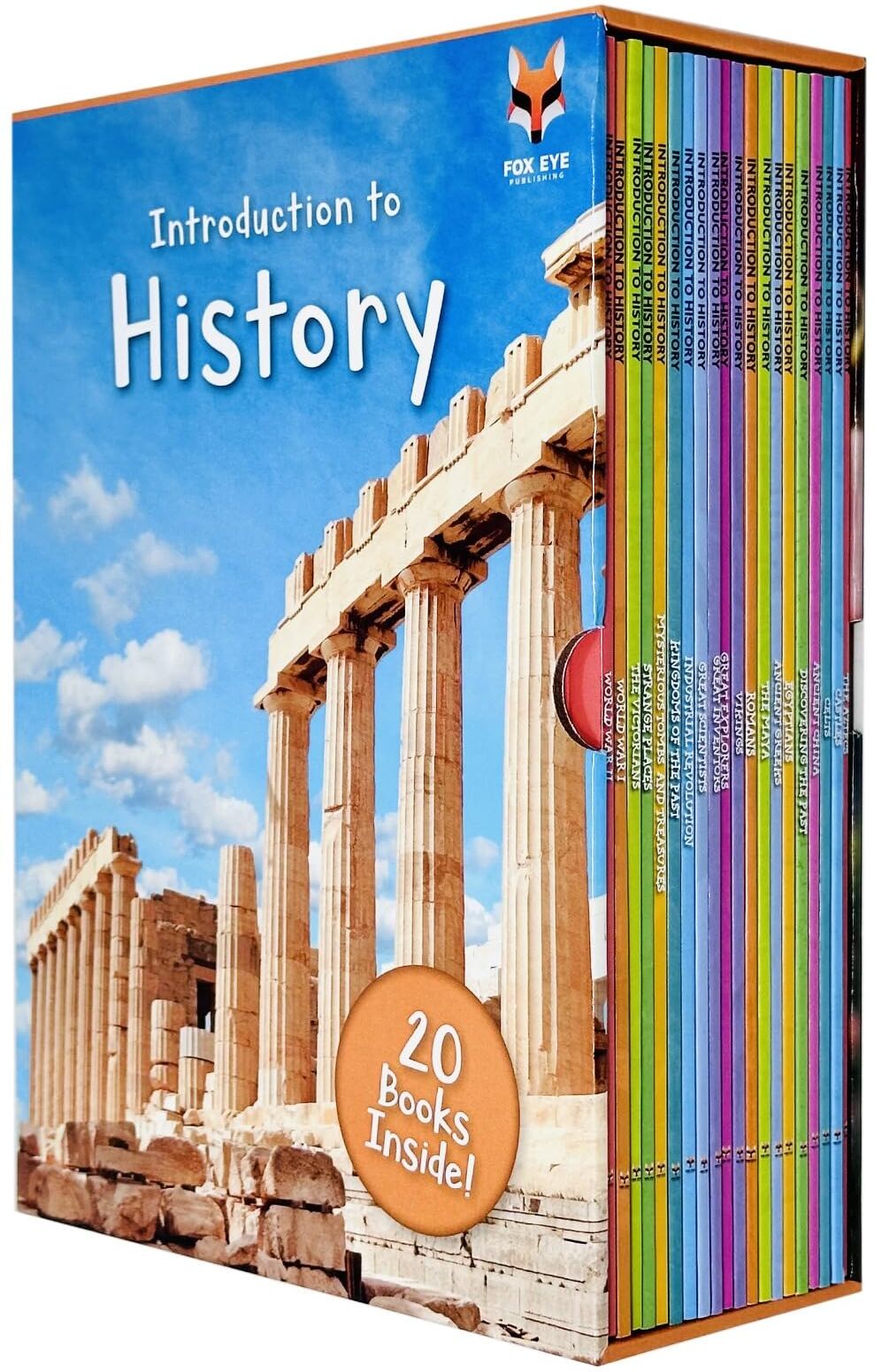
Fox Eye Publishing Introduction to History 20 Books Collection Box Set – Educational History Learning CollectionIntroduction to History 20 Books Collection Box Set (The Aztecs, Castles, Celts, Ancient China, Discovering the Past, Egyptians, Ancient Greeks, The Maya, Romans, Vikings, Great Explorers and More) Books in This Collection: Introduction to The Aztecs Introduction to Castles Introduction to Celts Introduction to Ancient China Introduction to Discovering the Past Introduction to Egyptians Introduction to Ancient Greeks Introduction to The Maya Introduction to Romans Introduction to Vikings Introduction to Great Explorers Introduction to Great Inventors Introduction to Great Scientists Introduction to Industrial Revolution Introduction to Kingdoms of the Past Introduction to Mysterious Tombs and Treasures Introduction to Strange Places Introduction to The Victorians Introduction to World War I Introduction to World War II12,99 £*Shipping: 2,99 £Secure redirect to the provider
-
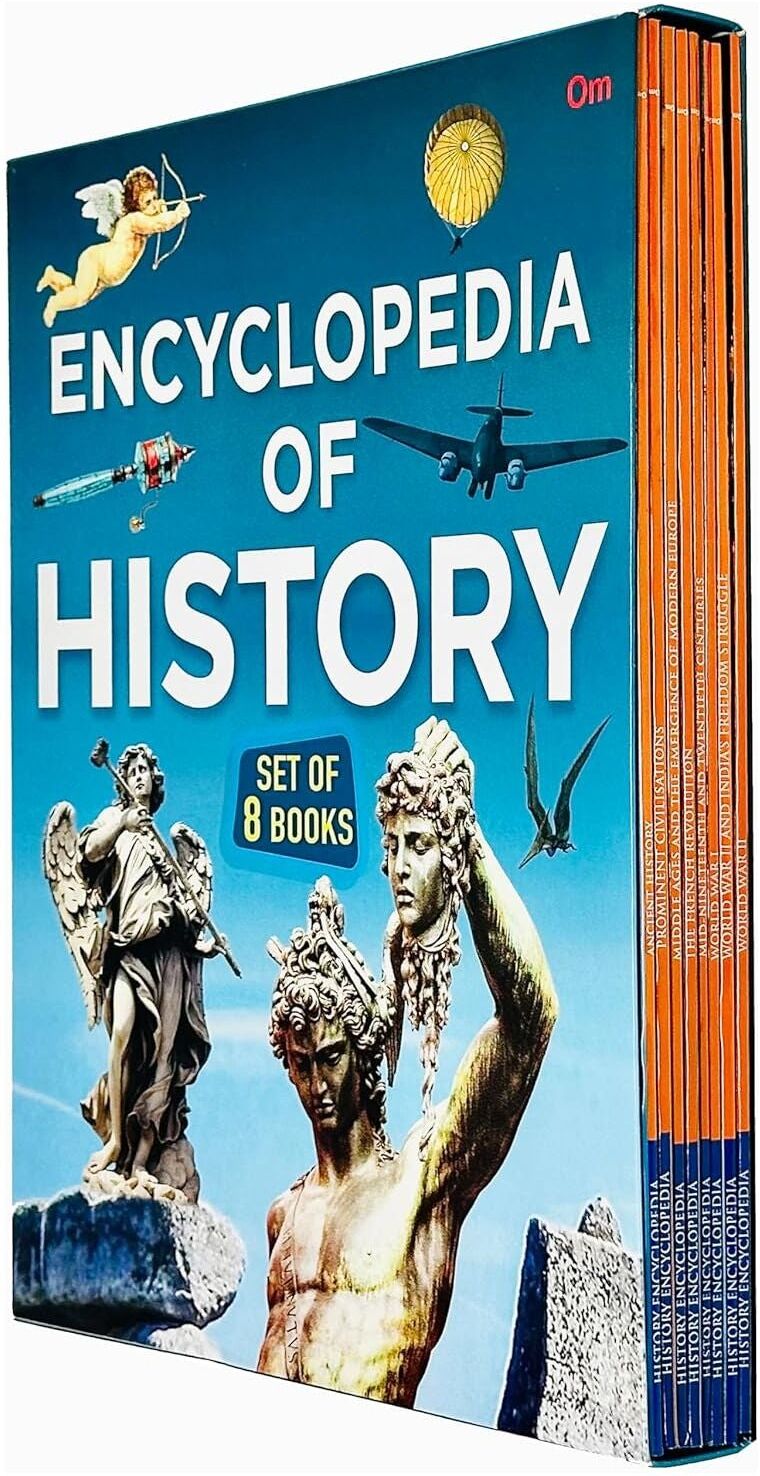
OM Books International Encyclopedia of History 8 Books Collection Set – World War History & Educational Learning CollectionEncyclopedia of History set of 8 books (World War I, World War II, World War II and Indias Freedom Struggle, Mid Nineteenth and Twentieth Centuries, The French Revolution & More): Titles in This Set: Encyclopedia: World War I Encyclopedia: World War II Encyclopedia: World War II and Indias Freedom Struggle Encyclopedia: Mid Nineteenth and Twentieth Centuries Encyclopedia: The French Revolution Encyclopedia: Middle Ages and the Emergence of Modern Europe Encyclopedia: Prominent Civilisations Encyclopedia: Ancient History Description: What made humans the way they are today? How were civilisations formed and erased? What makes up history? Get answers to all the questions and more in this history encyclopedia. Go back in time and learn all about human history, right from the time man began his journey in stone caves. Relive epic battles, learn about the rise and fall of great empires and a lot more.9,90 £*Shipping: 2,99 £Secure redirect to the provider


-
How do brown stars form in filaments?
Brown stars can form in filaments through the process of gravitational collapse. Filaments are long, thin structures of gas and dust in space, and when the density of the material within a filament becomes high enough, it can trigger the collapse of the gas and dust to form a brown star. As the material collapses, it heats up and begins to glow, eventually reaching the temperature and density necessary to sustain nuclear fusion, at which point it becomes a brown star. The formation of brown stars in filaments is a natural consequence of the gravitational interactions and dynamics of the interstellar medium. **
-
How are brown stars formed in filaments?
Brown stars are formed in filaments through a process called fragmentation. Filaments are long, thin structures of gas and dust in space where gravity can cause regions of higher density to collapse and form stars. In the case of brown stars, the collapsing region does not have enough mass to sustain nuclear fusion like a regular star, resulting in a dimmer, cooler object known as a brown dwarf. These brown stars continue to form within the filaments as long as there is enough material and gravitational forces at play. **
-
Why are the filaments in lamps made of tungsten?
Filaments in lamps are made of tungsten because tungsten has a very high melting point, around 3,422 degrees Celsius, which allows it to withstand the high temperatures generated when electricity passes through the filament, causing it to glow and produce light. Tungsten is also a very strong and durable material, making it ideal for withstanding the repeated heating and cooling cycles that occur when a lamp is turned on and off. Additionally, tungsten has a low rate of evaporation, which helps to maintain the longevity of the filament and prolong the life of the lamp. **
-
What can I do to get rid of follicle filaments?
To get rid of follicle filaments, you can try using a gentle exfoliating scrub or cleanser to help remove the buildup of dead skin cells and oil that can contribute to their appearance. You can also incorporate products containing salicylic acid or retinoids into your skincare routine to help keep the follicles clear. Additionally, maintaining a consistent skincare routine, avoiding heavy or pore-clogging products, and keeping your skin well-hydrated can also help minimize the appearance of follicle filaments. If you have persistent concerns, it may be helpful to consult with a dermatologist for personalized recommendations. **

Do I have sebaceous filaments on my nose and cheeks?
Sebaceous filaments are a natural part of the skin's structure and are commonly found on the nose and cheeks. They are often mistaken for blackheads, but they are actually a combination of sebum and dead skin cells. If you notice small, pin-sized dots on your nose and cheeks that are slightly raised and appear yellow or gray in color, you likely have sebaceous filaments. It's important to note that sebaceous filaments are normal and not a cause for concern, but if you have any concerns about your skin, it's best to consult with a dermatologist for personalized advice. **
Can incandescent light bulbs with filaments break due to improper storage?
Yes, incandescent light bulbs with filaments can break due to improper storage. If they are stored in a place where they can be easily knocked over or bumped, they are at risk of breaking. Additionally, if they are stored in an area with extreme temperature fluctuations or high humidity, the filaments can become weakened and more prone to breaking. It is important to store incandescent light bulbs in a secure, stable location with consistent temperature and humidity levels to prevent breakage. **
Top-Angebote
Products related to Filaments:
-
From the Archives: Black History and Culture Value PackThis brand-new series is rooted in a profound commitment to shedding light on some of the important -- and often lesser-known -- aspects of Black history. From the Archives features landmarks, events, people, and artistic endeavors that have played...26,99 $*Shipping: 0,00 $Secure redirect to the provider
-
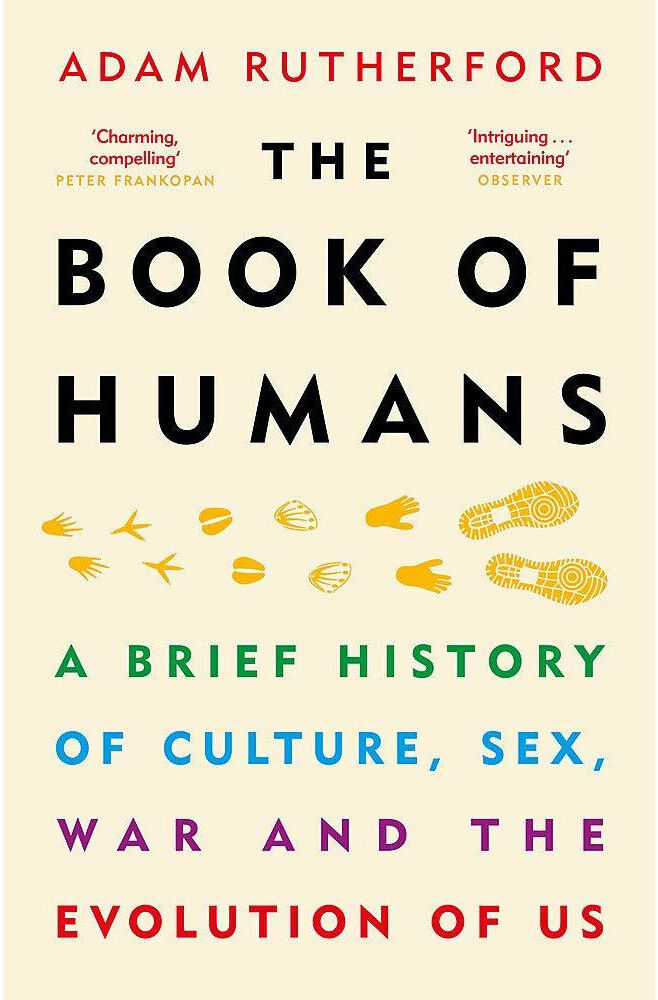
Orion The Book of Humans by Adam Rutherford – A Brief History of Culture, Sex, War & EvolutionWHAT MAKES US HUMAN? Waging war? Sex for pleasure? Creating art? Mastery of fire? In this thrilling tour of the animal kingdom, Adam Rutherford tells the story of how we became the unique creatures we are today. Illuminated by the latest scientific discoveries, THE BOOK OF HUMANS is a dazzling compendium of what unequivocally fixes us as animals, and reveals how we are extraordinary among them.4,98 £*Shipping: 1,99 £Secure redirect to the provider
-
Titan Assassins Creed - The Complete Visual History: The Definitive Visual HistoryThis stunning book explores the rich mythology of Assassins Creed®, featuring the art and history of the series from the first groundbreaking game through the graphic novels to the DLCs. Highlighting the lush and vibrant art that has become a hallmark of the series, this luxury coffee-table book brings the games famous historical locations and figures to life and explores the evolution of each iconic Assassin and Templar.15,99 £*Shipping: 2,99 £Secure redirect to the provider
-
'How do you remove LED filaments?'
To remove LED filaments, first make sure the power is turned off to the fixture. Then, carefully unscrew the LED bulb from the socket in a counterclockwise direction. If the LED bulb is stuck, you can use a cloth or rubber gloves to get a better grip and gently twist it out. Once the bulb is removed, dispose of it properly according to local regulations for electronic waste. **
-
How do you remove sebaceous filaments?
Sebaceous filaments are a natural part of the skin and cannot be permanently removed. However, they can be minimized by regularly cleansing the skin with a gentle cleanser to prevent the buildup of oil and debris. Exfoliating the skin with a gentle exfoliant containing salicylic acid or using a clay mask can help to unclog pores and reduce the appearance of sebaceous filaments. It is important to avoid harsh scrubbing or squeezing, as this can irritate the skin and make the issue worse. **
-
How do brown stars form in filaments?
Brown stars can form in filaments through the process of gravitational collapse. Filaments are long, thin structures of gas and dust in space, and when the density of the material within a filament becomes high enough, it can trigger the collapse of the gas and dust to form a brown star. As the material collapses, it heats up and begins to glow, eventually reaching the temperature and density necessary to sustain nuclear fusion, at which point it becomes a brown star. The formation of brown stars in filaments is a natural consequence of the gravitational interactions and dynamics of the interstellar medium. **
-
How are brown stars formed in filaments?
Brown stars are formed in filaments through a process called fragmentation. Filaments are long, thin structures of gas and dust in space where gravity can cause regions of higher density to collapse and form stars. In the case of brown stars, the collapsing region does not have enough mass to sustain nuclear fusion like a regular star, resulting in a dimmer, cooler object known as a brown dwarf. These brown stars continue to form within the filaments as long as there is enough material and gravitational forces at play. **
Similar search terms for Filaments
-
Fox Eye Publishing Introduction to History 20 Books Collection Box Set – Educational History Learning CollectionIntroduction to History 20 Books Collection Box Set (The Aztecs, Castles, Celts, Ancient China, Discovering the Past, Egyptians, Ancient Greeks, The Maya, Romans, Vikings, Great Explorers and More) Books in This Collection: Introduction to The Aztecs Introduction to Castles Introduction to Celts Introduction to Ancient China Introduction to Discovering the Past Introduction to Egyptians Introduction to Ancient Greeks Introduction to The Maya Introduction to Romans Introduction to Vikings Introduction to Great Explorers Introduction to Great Inventors Introduction to Great Scientists Introduction to Industrial Revolution Introduction to Kingdoms of the Past Introduction to Mysterious Tombs and Treasures Introduction to Strange Places Introduction to The Victorians Introduction to World War I Introduction to World War II12,99 £*Shipping: 2,99 £Secure redirect to the provider
-
OM Books International Encyclopedia of History 8 Books Collection Set – World War History & Educational Learning CollectionEncyclopedia of History set of 8 books (World War I, World War II, World War II and Indias Freedom Struggle, Mid Nineteenth and Twentieth Centuries, The French Revolution & More): Titles in This Set: Encyclopedia: World War I Encyclopedia: World War II Encyclopedia: World War II and Indias Freedom Struggle Encyclopedia: Mid Nineteenth and Twentieth Centuries Encyclopedia: The French Revolution Encyclopedia: Middle Ages and the Emergence of Modern Europe Encyclopedia: Prominent Civilisations Encyclopedia: Ancient History Description: What made humans the way they are today? How were civilisations formed and erased? What makes up history? Get answers to all the questions and more in this history encyclopedia. Go back in time and learn all about human history, right from the time man began his journey in stone caves. Relive epic battles, learn about the rise and fall of great empires and a lot more.9,90 £*Shipping: 2,99 £Secure redirect to the provider
-
Usborne Beginners History 10 Books Collection Box Set Educational History Books for Children - Stone Age Iron Age - HARDCOVERUsborne Beginners History 10 Books Collection Box Set Stone Age Iron Age Egyptians Ancient Greeks .. Stone Age This simple information book follows the history of Stone Age people and how they lived. Iron Age This simple information book charts the history of Iron Age people and how they lived; including their farming methods; the gods they prayed to and the hill forts where they lived. Egyptians Who were the ancient Egyptians? Why did they build pyramids and how were mummies made? Ancient Greeks Find out about Ancient Greece; what people wore; ate and did for fun and learn about some of the most famous philosophers and mathematicians of the age in this compelling book for beginner readers. Celts Who were the Celts exactly? Did you know they lived on top of hills? Do you have any idea how Celtic warriors made themselves look really scary in battle? Romans Who were the ancient Romans? Where did they go to eat; shop and wash? What did they do for fun? The Maya Who were the Maya? Where did they live? Why did they build tall stone temples? Vikings Find out what it was like to be a Viking; and learn about Viking homes; feasts; boats; gods and much more in this fascinating book. Castles Who lived in a castle; and what was it like? Children can find out the answers to these questions and lots more about the wonderful world of castles in this informative book. Digging Up the Past How do ancient things get buried? Who digs them up? And what do they find? Beginner readers can find answers to these questions and more in this colourful information book. Related Tags: Usborne, Usbourne14,99 £*Shipping: 2,99 £Secure redirect to the provider
-
Why are the filaments in lamps made of tungsten?
Filaments in lamps are made of tungsten because tungsten has a very high melting point, around 3,422 degrees Celsius, which allows it to withstand the high temperatures generated when electricity passes through the filament, causing it to glow and produce light. Tungsten is also a very strong and durable material, making it ideal for withstanding the repeated heating and cooling cycles that occur when a lamp is turned on and off. Additionally, tungsten has a low rate of evaporation, which helps to maintain the longevity of the filament and prolong the life of the lamp. **
-
What can I do to get rid of follicle filaments?
To get rid of follicle filaments, you can try using a gentle exfoliating scrub or cleanser to help remove the buildup of dead skin cells and oil that can contribute to their appearance. You can also incorporate products containing salicylic acid or retinoids into your skincare routine to help keep the follicles clear. Additionally, maintaining a consistent skincare routine, avoiding heavy or pore-clogging products, and keeping your skin well-hydrated can also help minimize the appearance of follicle filaments. If you have persistent concerns, it may be helpful to consult with a dermatologist for personalized recommendations. **
-
Do I have sebaceous filaments on my nose and cheeks?
Sebaceous filaments are a natural part of the skin's structure and are commonly found on the nose and cheeks. They are often mistaken for blackheads, but they are actually a combination of sebum and dead skin cells. If you notice small, pin-sized dots on your nose and cheeks that are slightly raised and appear yellow or gray in color, you likely have sebaceous filaments. It's important to note that sebaceous filaments are normal and not a cause for concern, but if you have any concerns about your skin, it's best to consult with a dermatologist for personalized advice. **
-
Can incandescent light bulbs with filaments break due to improper storage?
Yes, incandescent light bulbs with filaments can break due to improper storage. If they are stored in a place where they can be easily knocked over or bumped, they are at risk of breaking. Additionally, if they are stored in an area with extreme temperature fluctuations or high humidity, the filaments can become weakened and more prone to breaking. It is important to store incandescent light bulbs in a secure, stable location with consistent temperature and humidity levels to prevent breakage. **
* All prices are inclusive of VAT and, if applicable, plus shipping costs. The offer information is based on the details provided by the respective shop and is updated through automated processes. Real-time updates do not occur, so deviations can occur in individual cases. ** Note: Parts of this content were created by AI.