Buy wetzlar.eu ?
We are moving the project
wetzlar.eu .
Are you interested in purchasing the domain
wetzlar.eu ?
domain@kv-gmbh.de · 0541-91531010
Buy wetzlar.eu ?
What is a purl row in knitting?
A purl row in knitting is when you create a row of stitches that have a raised bump texture on the right side of the fabric. To create a purl row, you insert the needle into the front of the stitch from right to left, wrap the yarn around the needle, and pull it through to create a new stitch. Purl rows are often alternated with knit rows to create different textures and patterns in knitting projects. **
What is a purl stitch in knitting?
A purl stitch in knitting is a basic stitch that creates a textured pattern on the fabric. It is the opposite of a knit stitch and is created by bringing the yarn to the front of the work, inserting the needle from right to left through the front of the stitch on the left-hand needle, wrapping the yarn around the right-hand needle, and pulling the loop through. Purl stitches are often used in combination with knit stitches to create various stitch patterns and designs in knitting projects. **

Similar search terms for Purl
Top-Angebote
Products related to Purl:


-
What is the difference between a knit stitch and a purl stitch?
The main difference between a knit stitch and a purl stitch is the way the yarn is wrapped around the needle. In a knit stitch, the yarn is held in the back of the work and the needle is inserted from front to back, creating a smooth, raised stitch. In a purl stitch, the yarn is held in the front of the work and the needle is inserted from back to front, creating a bumpier, textured stitch. These two stitches are the building blocks of knitting and are used in various combinations to create different patterns and textures in knitted fabric. **
-
How do you purl a stitch and wrap the yarn around the needle twice?
To purl a stitch and wrap the yarn around the needle twice, you would first bring the yarn to the front of the work. Then, insert the right-hand needle from right to left through the front of the first stitch on the left-hand needle. Next, wrap the yarn around the right-hand needle twice in a counter-clockwise direction. Finally, pull the yarn through the stitch and slip the original stitch off the left-hand needle. This will create a purl stitch with the yarn wrapped around the needle twice. **
-
What is the FSJ in Museum Culture?
The FSJ, or Freiwilliges Soziales Jahr, in Museum Culture is a voluntary social year program in Germany that allows young people to work in museums and cultural institutions for a period of 6 to 18 months. Participants in the FSJ gain practical experience in various aspects of museum work, such as exhibition organization, visitor services, educational programs, and conservation. This program provides an opportunity for young individuals to explore their interest in museum culture, gain valuable skills, and contribute to the preservation and promotion of cultural heritage. **
-
What are electricity and high culture history?
Electricity history refers to the development and use of electricity as a form of energy, including the discovery of electricity, the invention of electric devices, and the establishment of electrical systems. High culture history, on the other hand, refers to the history of cultural and artistic achievements that are considered to be of high quality and sophistication, such as classical music, literature, fine arts, and theater. Both electricity and high culture history have evolved over time, shaping the way we live and appreciate the world around us. **

What is the difference between low culture and high culture in history?
Low culture refers to the cultural activities and products that are considered to be more common, popular, and easily accessible to the general public. This can include things like popular music, television shows, and mass-produced literature. On the other hand, high culture refers to the cultural activities and products that are considered to be more refined, sophisticated, and often associated with the elite or educated classes. This can include things like classical music, fine art, and literature that is considered to be more intellectually challenging. The distinction between low and high culture has been a source of debate and has evolved over time, but it generally reflects the social and class divisions within a society. **
Is mass tourism a necessary economic factor or a destruction of culture and environment?
Mass tourism can be seen as a necessary economic factor as it brings in revenue and creates jobs in the tourism industry. However, it can also be destructive to culture and the environment if not managed properly. Overcrowding, pollution, and the commercialization of local traditions can lead to the degradation of cultural heritage and natural resources. Therefore, it is important to strike a balance between the economic benefits of mass tourism and the preservation of culture and the environment. **
Top-Angebote
Products related to Purl:
-
What is a purl row in knitting?
A purl row in knitting is when you create a row of stitches that have a raised bump texture on the right side of the fabric. To create a purl row, you insert the needle into the front of the stitch from right to left, wrap the yarn around the needle, and pull it through to create a new stitch. Purl rows are often alternated with knit rows to create different textures and patterns in knitting projects. **
-
What is a purl stitch in knitting?
A purl stitch in knitting is a basic stitch that creates a textured pattern on the fabric. It is the opposite of a knit stitch and is created by bringing the yarn to the front of the work, inserting the needle from right to left through the front of the stitch on the left-hand needle, wrapping the yarn around the right-hand needle, and pulling the loop through. Purl stitches are often used in combination with knit stitches to create various stitch patterns and designs in knitting projects. **
-
What is the difference between a knit stitch and a purl stitch?
The main difference between a knit stitch and a purl stitch is the way the yarn is wrapped around the needle. In a knit stitch, the yarn is held in the back of the work and the needle is inserted from front to back, creating a smooth, raised stitch. In a purl stitch, the yarn is held in the front of the work and the needle is inserted from back to front, creating a bumpier, textured stitch. These two stitches are the building blocks of knitting and are used in various combinations to create different patterns and textures in knitted fabric. **
-
How do you purl a stitch and wrap the yarn around the needle twice?
To purl a stitch and wrap the yarn around the needle twice, you would first bring the yarn to the front of the work. Then, insert the right-hand needle from right to left through the front of the first stitch on the left-hand needle. Next, wrap the yarn around the right-hand needle twice in a counter-clockwise direction. Finally, pull the yarn through the stitch and slip the original stitch off the left-hand needle. This will create a purl stitch with the yarn wrapped around the needle twice. **
Similar search terms for Purl
-
From the Archives: Black History and Culture Value PackThis brand-new series is rooted in a profound commitment to shedding light on some of the important -- and often lesser-known -- aspects of Black history. From the Archives features landmarks, events, people, and artistic endeavors that have played...26,99 $*Shipping: 0,00 $Secure redirect to the provider
-
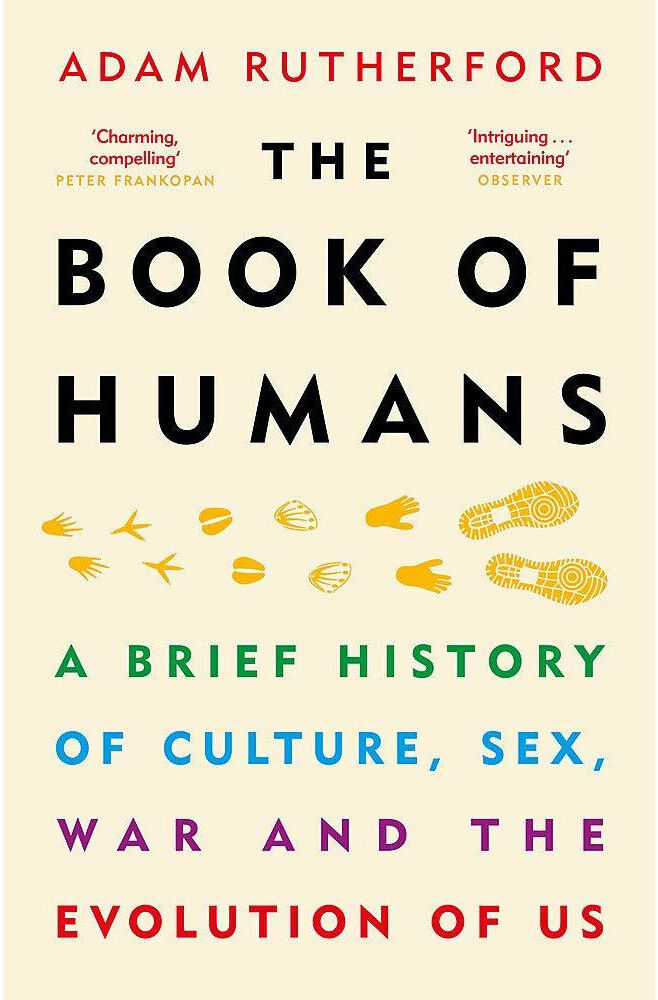
Orion The Book of Humans by Adam Rutherford – A Brief History of Culture, Sex, War & EvolutionWHAT MAKES US HUMAN? Waging war? Sex for pleasure? Creating art? Mastery of fire? In this thrilling tour of the animal kingdom, Adam Rutherford tells the story of how we became the unique creatures we are today. Illuminated by the latest scientific discoveries, THE BOOK OF HUMANS is a dazzling compendium of what unequivocally fixes us as animals, and reveals how we are extraordinary among them.4,98 £*Shipping: 1,99 £Secure redirect to the provider
-
What is the FSJ in Museum Culture?
The FSJ, or Freiwilliges Soziales Jahr, in Museum Culture is a voluntary social year program in Germany that allows young people to work in museums and cultural institutions for a period of 6 to 18 months. Participants in the FSJ gain practical experience in various aspects of museum work, such as exhibition organization, visitor services, educational programs, and conservation. This program provides an opportunity for young individuals to explore their interest in museum culture, gain valuable skills, and contribute to the preservation and promotion of cultural heritage. **
-
What are electricity and high culture history?
Electricity history refers to the development and use of electricity as a form of energy, including the discovery of electricity, the invention of electric devices, and the establishment of electrical systems. High culture history, on the other hand, refers to the history of cultural and artistic achievements that are considered to be of high quality and sophistication, such as classical music, literature, fine arts, and theater. Both electricity and high culture history have evolved over time, shaping the way we live and appreciate the world around us. **
-
What is the difference between low culture and high culture in history?
Low culture refers to the cultural activities and products that are considered to be more common, popular, and easily accessible to the general public. This can include things like popular music, television shows, and mass-produced literature. On the other hand, high culture refers to the cultural activities and products that are considered to be more refined, sophisticated, and often associated with the elite or educated classes. This can include things like classical music, fine art, and literature that is considered to be more intellectually challenging. The distinction between low and high culture has been a source of debate and has evolved over time, but it generally reflects the social and class divisions within a society. **
-
Is mass tourism a necessary economic factor or a destruction of culture and environment?
Mass tourism can be seen as a necessary economic factor as it brings in revenue and creates jobs in the tourism industry. However, it can also be destructive to culture and the environment if not managed properly. Overcrowding, pollution, and the commercialization of local traditions can lead to the degradation of cultural heritage and natural resources. Therefore, it is important to strike a balance between the economic benefits of mass tourism and the preservation of culture and the environment. **
* All prices are inclusive of VAT and, if applicable, plus shipping costs. The offer information is based on the details provided by the respective shop and is updated through automated processes. Real-time updates do not occur, so deviations can occur in individual cases. ** Note: Parts of this content were created by AI.