Buy wetzlar.eu ?
We are moving the project
wetzlar.eu .
Are you interested in purchasing the domain
wetzlar.eu ?
domain@kv-gmbh.de · 0541-91531010
Buy wetzlar.eu ?
Why is the trombone called a trombone?
The word "trombone" is derived from the Italian word "tromba" which means trumpet, and the suffix "-one" which means large. This name reflects the instrument's origins as a large version of the trumpet. The trombone's name also refers to its unique feature of using a slide to change the length of the tubing, allowing players to produce a wide range of pitches. **
What is a trombone?
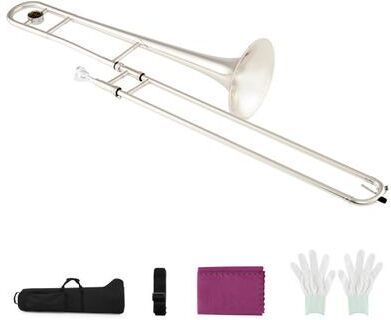
A trombone is a brass instrument that belongs to the low-pitched brass family. It consists of a long cylindrical tube with a flared bell at one end and a sliding section that allows the player to change the pitch of the notes. The trombone is played by buzzing the lips into a mouthpiece and using the slide to produce different pitches. It is commonly used in orchestras, concert bands, jazz ensembles, and marching bands. **

Similar search terms for Trombone
Top-Angebote
Products related to Trombone:
-
From the Archives: Black History and Culture Value PackThis brand-new series is rooted in a profound commitment to shedding light on some of the important -- and often lesser-known -- aspects of Black history. From the Archives features landmarks, events, people, and artistic endeavors that have played...26,99 $*Shipping: 0,00 $Secure redirect to the provider
-
Orion The Book of Humans by Adam Rutherford – A Brief History of Culture, Sex, War & EvolutionWHAT MAKES US HUMAN? Waging war? Sex for pleasure? Creating art? Mastery of fire? In this thrilling tour of the animal kingdom, Adam Rutherford tells the story of how we became the unique creatures we are today. Illuminated by the latest scientific discoveries, THE BOOK OF HUMANS is a dazzling compendium of what unequivocally fixes us as animals, and reveals how we are extraordinary among them.4,98 £*Shipping: 1,99 £Secure redirect to the provider
-
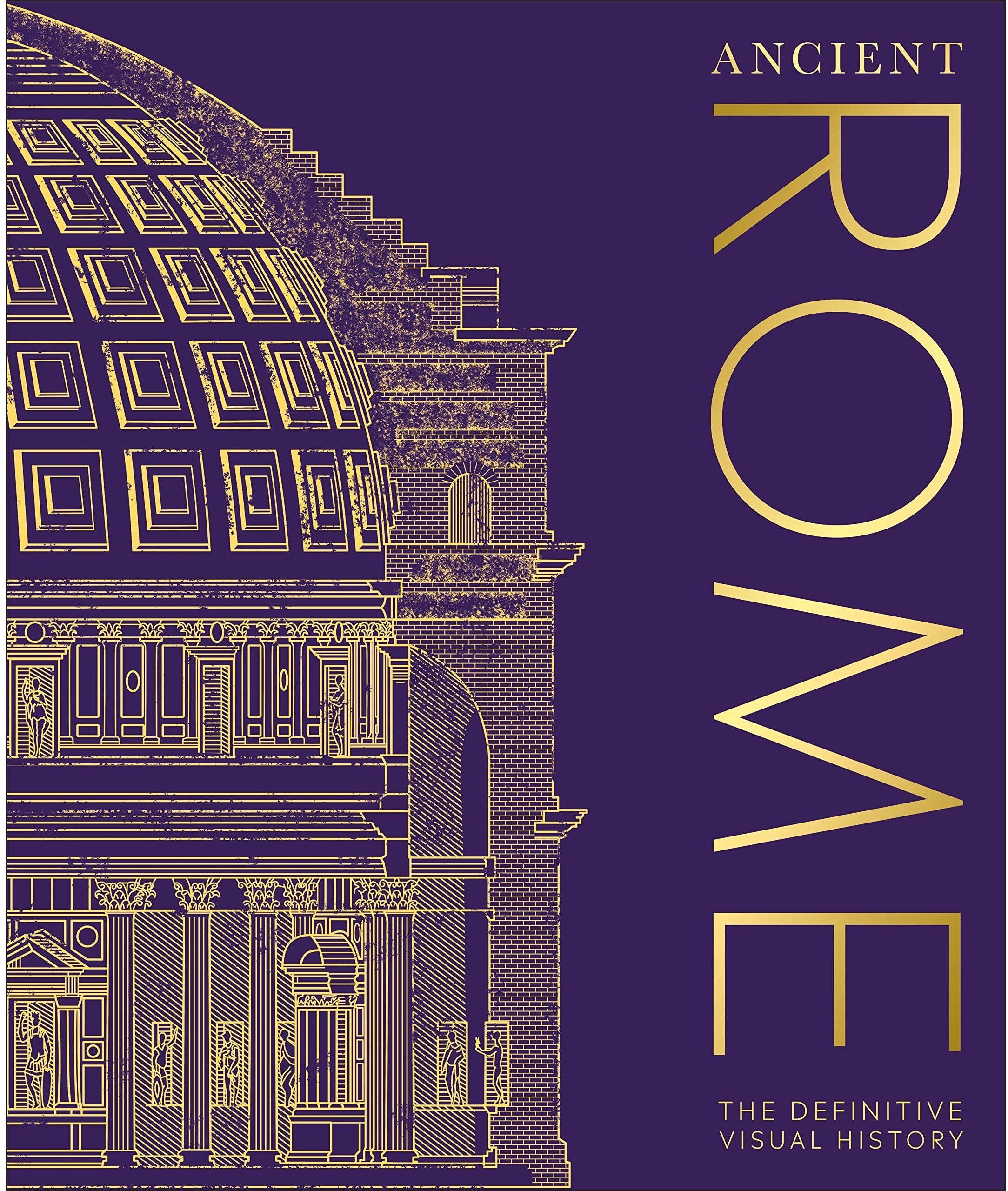
Ancient Rome: The Definitive Visual History (DK Classic History)Immerse yourself in the history of ancient Rome - from its origins as a small settlement on the Palatine Hill to its peak as an empire reigning over 90 million people, and its tumultuous decline. Covering more than 1,000 years of history, and an empire that stretched from Scotland to Syria, Ancient Rome reveals in vivid detail all of the key political, cultural, and military events that shaped the Roman Empire and explores what it was like to live in a society that laid the foundations for many aspects of the modern world. Sumptuous photography and engaging text cover every facet of life in ancient Rome, from art, entertainment, and fashion to engineering, medicine, and war, while detailed maps trace the rise of the mighty Roman Empire. Step back in time in the pages of this history book to discover:- Themed spreads explore developments in areas such as sculpture, religion, warfare, and engineering. - Includes tales of the most dramatic events and battles in Roman history, as well as profiles of influential historical and cultural figures. - An optional 80pp reference section includes sections on rulers, gods and goddesses, and key sites. Featuring Rome's greatest emperors, from Augustus to Constantine, as well as profiles of generals, historians, and influential women, Ancient Rome also delves into the fascinating stories of gladiators, bakers, and enslaved people. The most iconic buildings of Rome are brought to life with specially commissioned CGI recreations, while the stories of ordinary citizens, soldiers, and persecuted groups from across the empire are told with the help of illustrations, artefacts, and eyewitness accounts. Beautifully illustrated and unparalleled in scope, Ancient Rome is the perfect book for anyone who is interested in this defining period of world history.19,95 £*Shipping: 2,99 £Secure redirect to the provider
-
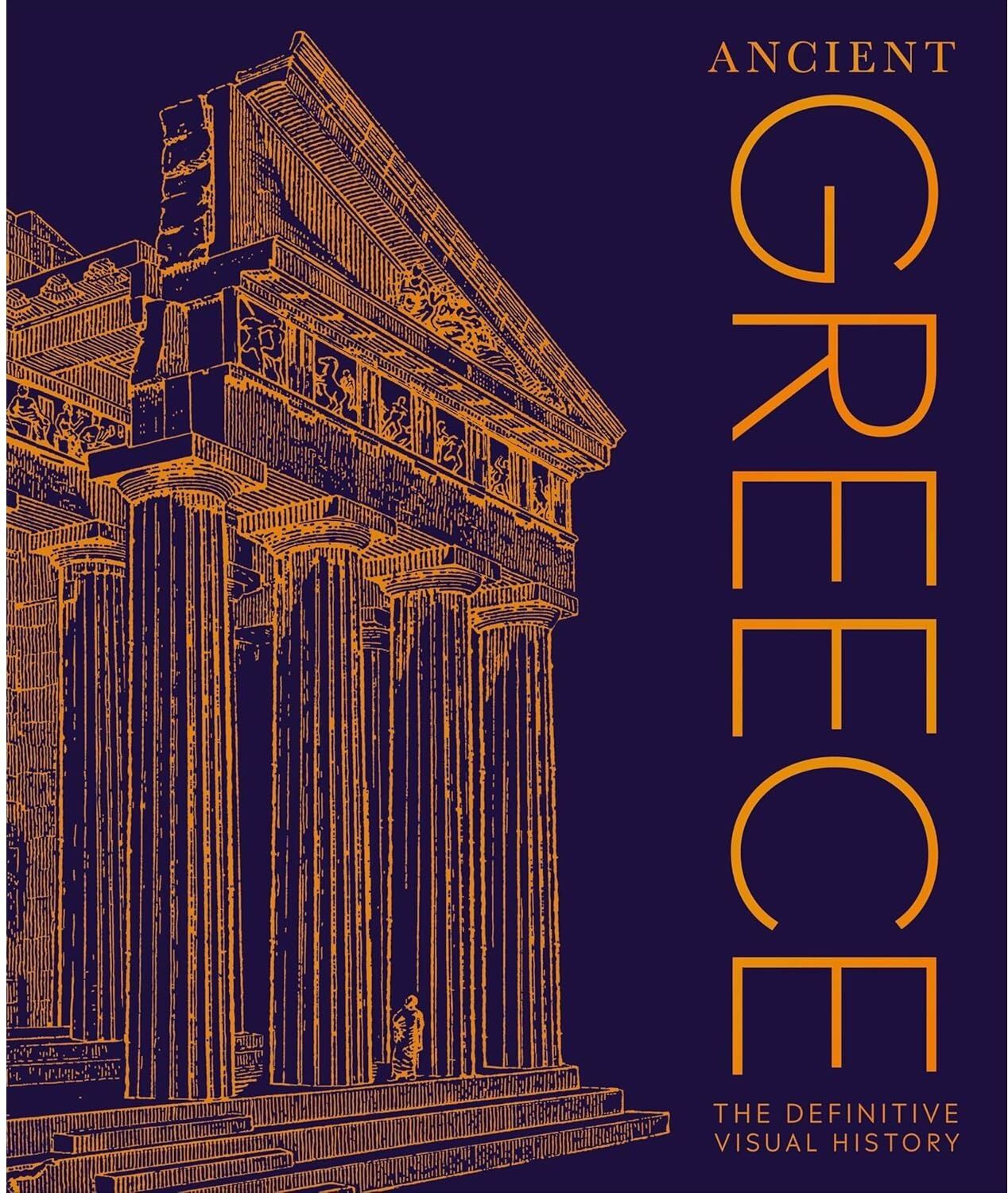
Ancient Greece: The Definitive Visual History (DK Classic History)Embark upon a fascinating journey through ancient Greece – from its rise and fall to its lasting legacy throughout the Western world. Spanning more than 3,000 years, Ancient Greece explores the tumultuous history of this glorious empire in vivid detail – from its Minoan and Mycenaean origins to the apogee of the warring city-states of Athens and Sparta, and from the death of its most charismatic leader, Alexander the Great, to its ultimate defeat by Rome. Sumptuous photography and authoritative, engaging text cover every facet of life in ancient Greece, from art, entertainment, and schools of thought to politics, medicine, and war, while the myths and religious beliefs of the ancient culture are explored and explained in depth. Greece’s military and political power shines through in fascinating maps of its legendary battles. Buried palaces and the Athenian Agora where Plato and Socrates discussed philosophy are brought back to life with stunning CGI artworks. And the stories of everyone from ordinary citizens to lawmakers and the first Olympic athletes are retold through eyewitness accounts and original artefacts.19,99 £*Shipping: 2,99 £Secure redirect to the provider


-
How do I transpose a bass C trombone to a B trombone?
To transpose a bass C trombone to a B trombone, you would need to lower the pitch of the music by a whole step. This means that every note on the bass C trombone would need to be played two semitones lower on the B trombone. For example, if you see a C on the bass C trombone, you would play a B on the B trombone. You can achieve this by mentally adjusting the notes as you play, or by using a transposing instrument chart to help you make the necessary adjustments. **
-
Where was the trombone invented?
The trombone was invented in the 15th century in Burgundy, France. It is believed to have evolved from the Renaissance slide trumpet. The trombone's unique sliding mechanism allowed for a wider range of notes and expressive capabilities, making it a versatile and popular instrument in orchestras and ensembles. **
-
How does the trombone work?
The trombone is a brass instrument that produces sound through the vibration of the player's lips against a mouthpiece. By changing the position of the player's lips and the amount of air blown into the instrument, different pitches can be produced. The trombone also features a slide mechanism that allows the player to change the length of the tubing, which in turn changes the pitch of the notes produced. This combination of lip vibration, air pressure, and slide movement allows the trombone player to create a wide range of musical tones and melodies. **
-
How big is the trombone?
The trombone is a brass instrument that is typically around 3 to 4 feet in length. It has a large, flared bell at one end and a long slide that can extend up to 9 feet in total length when fully extended. The size of the trombone allows for a wide range of pitches and tones to be produced, making it a versatile instrument in various musical genres. **

How can one learn trombone autodidactically?
Learning trombone autodidactically can be challenging, but it is possible with dedication and the right resources. Start by familiarizing yourself with the instrument and its parts, then learn the basic techniques such as embouchure, breathing, and slide positions. Utilize online resources, instructional books, and videos to learn music theory, scales, and exercises. It's also important to practice regularly and seek feedback from experienced trombonists to improve your skills. Additionally, listening to professional trombone players and attending live performances can provide inspiration and guidance for your self-study. **
What is the International Trombone Association?
The International Trombone Association (ITA) is a non-profit organization dedicated to promoting the trombone and its music. It provides a platform for trombonists from around the world to connect, share resources, and collaborate. The ITA also organizes events such as conferences, competitions, and workshops to support the development of trombone players at all levels. Additionally, the association publishes a quarterly journal and maintains a comprehensive online resource center for trombone-related information. **
Top-Angebote
Products related to Trombone:
-
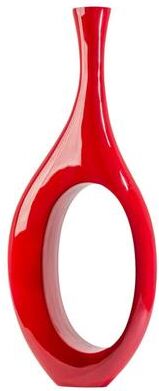
Finesse Decor Trombone Modern Handmade Resin VaseFinesse décor brings you a modern trombone vase with an open middle. The unique shape allows the vase to be a perfect statement piece for any room. This vase is made out of resin, with features in a small and large size and a white and red color.530,00 $*Shipping: 0,00 $Secure redirect to the provider
-
From the Archives: Black History and Culture Value PackThis brand-new series is rooted in a profound commitment to shedding light on some of the important -- and often lesser-known -- aspects of Black history. From the Archives features landmarks, events, people, and artistic endeavors that have played...26,99 $*Shipping: 0,00 $Secure redirect to the provider
-
Orion The Book of Humans by Adam Rutherford – A Brief History of Culture, Sex, War & EvolutionWHAT MAKES US HUMAN? Waging war? Sex for pleasure? Creating art? Mastery of fire? In this thrilling tour of the animal kingdom, Adam Rutherford tells the story of how we became the unique creatures we are today. Illuminated by the latest scientific discoveries, THE BOOK OF HUMANS is a dazzling compendium of what unequivocally fixes us as animals, and reveals how we are extraordinary among them.4,98 £*Shipping: 1,99 £Secure redirect to the provider
-
Why is the trombone called a trombone?
The word "trombone" is derived from the Italian word "tromba" which means trumpet, and the suffix "-one" which means large. This name reflects the instrument's origins as a large version of the trumpet. The trombone's name also refers to its unique feature of using a slide to change the length of the tubing, allowing players to produce a wide range of pitches. **
-
What is a trombone?
A trombone is a brass instrument that belongs to the low-pitched brass family. It consists of a long cylindrical tube with a flared bell at one end and a sliding section that allows the player to change the pitch of the notes. The trombone is played by buzzing the lips into a mouthpiece and using the slide to produce different pitches. It is commonly used in orchestras, concert bands, jazz ensembles, and marching bands. **
-
How do I transpose a bass C trombone to a B trombone?
To transpose a bass C trombone to a B trombone, you would need to lower the pitch of the music by a whole step. This means that every note on the bass C trombone would need to be played two semitones lower on the B trombone. For example, if you see a C on the bass C trombone, you would play a B on the B trombone. You can achieve this by mentally adjusting the notes as you play, or by using a transposing instrument chart to help you make the necessary adjustments. **
-
Where was the trombone invented?
The trombone was invented in the 15th century in Burgundy, France. It is believed to have evolved from the Renaissance slide trumpet. The trombone's unique sliding mechanism allowed for a wider range of notes and expressive capabilities, making it a versatile and popular instrument in orchestras and ensembles. **
Similar search terms for Trombone
-
Ancient Rome: The Definitive Visual History (DK Classic History)Immerse yourself in the history of ancient Rome - from its origins as a small settlement on the Palatine Hill to its peak as an empire reigning over 90 million people, and its tumultuous decline. Covering more than 1,000 years of history, and an empire that stretched from Scotland to Syria, Ancient Rome reveals in vivid detail all of the key political, cultural, and military events that shaped the Roman Empire and explores what it was like to live in a society that laid the foundations for many aspects of the modern world. Sumptuous photography and engaging text cover every facet of life in ancient Rome, from art, entertainment, and fashion to engineering, medicine, and war, while detailed maps trace the rise of the mighty Roman Empire. Step back in time in the pages of this history book to discover:- Themed spreads explore developments in areas such as sculpture, religion, warfare, and engineering. - Includes tales of the most dramatic events and battles in Roman history, as well as profiles of influential historical and cultural figures. - An optional 80pp reference section includes sections on rulers, gods and goddesses, and key sites. Featuring Rome's greatest emperors, from Augustus to Constantine, as well as profiles of generals, historians, and influential women, Ancient Rome also delves into the fascinating stories of gladiators, bakers, and enslaved people. The most iconic buildings of Rome are brought to life with specially commissioned CGI recreations, while the stories of ordinary citizens, soldiers, and persecuted groups from across the empire are told with the help of illustrations, artefacts, and eyewitness accounts. Beautifully illustrated and unparalleled in scope, Ancient Rome is the perfect book for anyone who is interested in this defining period of world history.19,95 £*Shipping: 2,99 £Secure redirect to the provider
-
Ancient Greece: The Definitive Visual History (DK Classic History)Embark upon a fascinating journey through ancient Greece – from its rise and fall to its lasting legacy throughout the Western world. Spanning more than 3,000 years, Ancient Greece explores the tumultuous history of this glorious empire in vivid detail – from its Minoan and Mycenaean origins to the apogee of the warring city-states of Athens and Sparta, and from the death of its most charismatic leader, Alexander the Great, to its ultimate defeat by Rome. Sumptuous photography and authoritative, engaging text cover every facet of life in ancient Greece, from art, entertainment, and schools of thought to politics, medicine, and war, while the myths and religious beliefs of the ancient culture are explored and explained in depth. Greece’s military and political power shines through in fascinating maps of its legendary battles. Buried palaces and the Athenian Agora where Plato and Socrates discussed philosophy are brought back to life with stunning CGI artworks. And the stories of everyone from ordinary citizens to lawmakers and the first Olympic athletes are retold through eyewitness accounts and original artefacts.19,99 £*Shipping: 2,99 £Secure redirect to the provider
-
Finesse Decor Trombone Modern Handmade Resin VaseFinesse décor brings you a modern trombone vase with an open middle. The unique shape allows the vase to be a perfect statement piece for any room. This vase is made out of resin, with features in a small and large size and a white and red color.224,49 $*Shipping: 0,00 $Secure redirect to the provider
-
How does the trombone work?
The trombone is a brass instrument that produces sound through the vibration of the player's lips against a mouthpiece. By changing the position of the player's lips and the amount of air blown into the instrument, different pitches can be produced. The trombone also features a slide mechanism that allows the player to change the length of the tubing, which in turn changes the pitch of the notes produced. This combination of lip vibration, air pressure, and slide movement allows the trombone player to create a wide range of musical tones and melodies. **
-
How big is the trombone?
The trombone is a brass instrument that is typically around 3 to 4 feet in length. It has a large, flared bell at one end and a long slide that can extend up to 9 feet in total length when fully extended. The size of the trombone allows for a wide range of pitches and tones to be produced, making it a versatile instrument in various musical genres. **
-
How can one learn trombone autodidactically?
Learning trombone autodidactically can be challenging, but it is possible with dedication and the right resources. Start by familiarizing yourself with the instrument and its parts, then learn the basic techniques such as embouchure, breathing, and slide positions. Utilize online resources, instructional books, and videos to learn music theory, scales, and exercises. It's also important to practice regularly and seek feedback from experienced trombonists to improve your skills. Additionally, listening to professional trombone players and attending live performances can provide inspiration and guidance for your self-study. **
-
What is the International Trombone Association?
The International Trombone Association (ITA) is a non-profit organization dedicated to promoting the trombone and its music. It provides a platform for trombonists from around the world to connect, share resources, and collaborate. The ITA also organizes events such as conferences, competitions, and workshops to support the development of trombone players at all levels. Additionally, the association publishes a quarterly journal and maintains a comprehensive online resource center for trombone-related information. **
* All prices are inclusive of VAT and, if applicable, plus shipping costs. The offer information is based on the details provided by the respective shop and is updated through automated processes. Real-time updates do not occur, so deviations can occur in individual cases. ** Note: Parts of this content were created by AI.