Buy wetzlar.eu ?
We are moving the project
wetzlar.eu .
Are you interested in purchasing the domain
wetzlar.eu ?
domain@kv-gmbh.de · 0541-91531010
Buy wetzlar.eu ?
What is the history of the children?
The history of children is a complex and multifaceted one, shaped by cultural, social, and economic factors throughout time. In ancient societies, children were often viewed as property of their parents and had limited rights. During the Middle Ages, children were often put to work at a young age and had few opportunities for education. The concept of childhood as a distinct and important stage of life began to emerge during the Renaissance, and the 19th and 20th centuries saw significant advancements in child labor laws, education, and child welfare. Today, children's rights are recognized and protected by international conventions and laws, although challenges such as child labor, poverty, and access to education still persist in many parts of the world. **
What is the FSJ in Museum Culture?
The FSJ, or Freiwilliges Soziales Jahr, in Museum Culture is a voluntary social year program in Germany that allows young people to work in museums and cultural institutions for a period of 6 to 18 months. Participants in the FSJ gain practical experience in various aspects of museum work, such as exhibition organization, visitor services, educational programs, and conservation. This program provides an opportunity for young individuals to explore their interest in museum culture, gain valuable skills, and contribute to the preservation and promotion of cultural heritage. **


Similar search terms for Children
Top-Angebote
Products related to Children:
-
Pan Macmillan Children of Time Series 3 Books Collection Set (Children of Time, Children of Ruin & Children of Memory)Children of TimeChildren of Time, is the epic story of humanity's battle for survival on a terraformed planet.Who will inherit this new Earth? The last remnants of the human race left a dying Earth, desperate to find a new home among the stars. Following in the footsteps of their ancestors, they discover the greatest treasure of the past age – a world terraformed and prepared for human life.Children of RuinIt has been waiting through the ages. Now it's time . . .Thousands of years ago, Earth’s terraforming program took to the stars. On the world they called Nod, scientists discovered alien life – but it was their mission to overwrite it with the memory of Earth. Then humanity’s great empire fell, and the program’s decisions were lost to time.Aeons later, humanity and its new spider allies detected fragmentary radio signals between the stars. They dispatched an exploration vessel, hoping to find cousins from old Earth.But those ancient terraformers woke something on Nod better left undisturbed.And it’s been waiting for them.Children of MemoryThey dreamed of a new homeThey woke to a nightmareOn Imir, Captain Holt founded a new colony on an empty world. In the process, he created hope and a new future for humanity. But generations later, his descendants are struggling to survive. As harvests worsen and equipment fails, strangers appear in a town where everyone knows their neighbour. Now the inexplicable lurks in the woods and the community fears it’s being observed – that they’re not alone.They’d be right, as explorers from the stars have arrived in secret to help this lost outpost. Confident of their superior technology, and overseen by the all-knowing construct of Doctor Avrana Kern, they begin to study their long-lost cousins from Earth.16,49 £*Shipping: 2,99 £Secure redirect to the provider
-
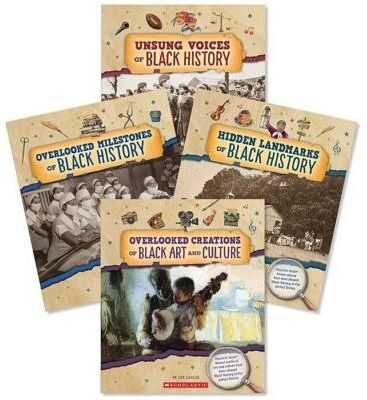
From the Archives: Black History and Culture Value PackThis brand-new series is rooted in a profound commitment to shedding light on some of the important -- and often lesser-known -- aspects of Black history. From the Archives features landmarks, events, people, and artistic endeavors that have played...26,99 $*Shipping: 0,00 $Secure redirect to the provider



-
Can children carry children?
No, children cannot carry children. Physically, children's bodies are not developed enough to support a pregnancy and give birth. Additionally, children lack the emotional and mental maturity needed to handle the responsibilities of pregnancy and parenthood. It is important for individuals to reach a certain level of physical, emotional, and mental maturity before considering starting a family. **
-
Are only children worrisome children?
No, not all only children are worrisome. While some only children may exhibit behaviors associated with being overly cautious or anxious, it is not a universal trait. Just like children with siblings, only children can vary in their personalities, temperaments, and behaviors. Factors such as parenting style, environment, and individual characteristics play a significant role in shaping a child's behavior, rather than simply being an only child. **
-
Can children still be children nowadays?
In today's fast-paced and technology-driven world, children are exposed to a wide range of influences that can impact their childhood experience. While some aspects of childhood may have changed, such as increased screen time and academic pressures, children can still be children by engaging in play, imagination, and social interactions. It is important for parents and caregivers to create a balance between technology use and traditional childhood activities to ensure that children have the opportunity to experience a fulfilling and enriching childhood. **
-
What are electricity and high culture history?
Electricity history refers to the development and use of electricity as a form of energy, including the discovery of electricity, the invention of electric devices, and the establishment of electrical systems. High culture history, on the other hand, refers to the history of cultural and artistic achievements that are considered to be of high quality and sophistication, such as classical music, literature, fine arts, and theater. Both electricity and high culture history have evolved over time, shaping the way we live and appreciate the world around us. **


What is the difference between low culture and high culture in history?
Low culture refers to the cultural activities and products that are considered to be more common, popular, and easily accessible to the general public. This can include things like popular music, television shows, and mass-produced literature. On the other hand, high culture refers to the cultural activities and products that are considered to be more refined, sophisticated, and often associated with the elite or educated classes. This can include things like classical music, fine art, and literature that is considered to be more intellectually challenging. The distinction between low and high culture has been a source of debate and has evolved over time, but it generally reflects the social and class divisions within a society. **
What are street children and wolf children?
Street children are minors who live and survive on the streets, often lacking parental care and supervision. They may engage in activities such as begging, scavenging, or working in order to survive. Wolf children, on the other hand, are children who have been isolated from human contact and raised by animals, often resulting in limited social skills and difficulty integrating into human society. Both groups face significant challenges in terms of their physical, emotional, and social well-being. **
Top-Angebote
Products related to Children:
-
Usborne Beginners History 10 Books Collection Box Set Educational History Books for Children - Stone Age Iron Age - HARDCOVERUsborne Beginners History 10 Books Collection Box Set Stone Age Iron Age Egyptians Ancient Greeks .. Stone Age This simple information book follows the history of Stone Age people and how they lived. Iron Age This simple information book charts the history of Iron Age people and how they lived; including their farming methods; the gods they prayed to and the hill forts where they lived. Egyptians Who were the ancient Egyptians? Why did they build pyramids and how were mummies made? Ancient Greeks Find out about Ancient Greece; what people wore; ate and did for fun and learn about some of the most famous philosophers and mathematicians of the age in this compelling book for beginner readers. Celts Who were the Celts exactly? Did you know they lived on top of hills? Do you have any idea how Celtic warriors made themselves look really scary in battle? Romans Who were the ancient Romans? Where did they go to eat; shop and wash? What did they do for fun? The Maya Who were the Maya? Where did they live? Why did they build tall stone temples? Vikings Find out what it was like to be a Viking; and learn about Viking homes; feasts; boats; gods and much more in this fascinating book. Castles Who lived in a castle; and what was it like? Children can find out the answers to these questions and lots more about the wonderful world of castles in this informative book. Digging Up the Past How do ancient things get buried? Who digs them up? And what do they find? Beginner readers can find answers to these questions and more in this colourful information book. Related Tags: Usborne, Usbourne14,99 £*Shipping: 2,99 £Secure redirect to the provider
-
Uplifted Finds Outdoor Tourism 304 Stainless Steel Portable Tableware Children Tableware Spoon And Fork Combination goldEnjoy meals anywhere with this Outdoor Tourism 304 Stainless Steel Portable Tableware Set. Made from durable 304 stainless steel, this lightweight spoon and fork combination is perfect for outdoor trips, camping, picnics, or everyday use. Designed...41,97 $*Shipping: 0,00 $Secure redirect to the provider
-
Pan Macmillan Children of Time Series 3 Books Collection Set (Children of Time, Children of Ruin & Children of Memory)Children of TimeChildren of Time, is the epic story of humanity's battle for survival on a terraformed planet.Who will inherit this new Earth? The last remnants of the human race left a dying Earth, desperate to find a new home among the stars. Following in the footsteps of their ancestors, they discover the greatest treasure of the past age – a world terraformed and prepared for human life.Children of RuinIt has been waiting through the ages. Now it's time . . .Thousands of years ago, Earth’s terraforming program took to the stars. On the world they called Nod, scientists discovered alien life – but it was their mission to overwrite it with the memory of Earth. Then humanity’s great empire fell, and the program’s decisions were lost to time.Aeons later, humanity and its new spider allies detected fragmentary radio signals between the stars. They dispatched an exploration vessel, hoping to find cousins from old Earth.But those ancient terraformers woke something on Nod better left undisturbed.And it’s been waiting for them.Children of MemoryThey dreamed of a new homeThey woke to a nightmareOn Imir, Captain Holt founded a new colony on an empty world. In the process, he created hope and a new future for humanity. But generations later, his descendants are struggling to survive. As harvests worsen and equipment fails, strangers appear in a town where everyone knows their neighbour. Now the inexplicable lurks in the woods and the community fears it’s being observed – that they’re not alone.They’d be right, as explorers from the stars have arrived in secret to help this lost outpost. Confident of their superior technology, and overseen by the all-knowing construct of Doctor Avrana Kern, they begin to study their long-lost cousins from Earth.16,49 £*Shipping: 2,99 £Secure redirect to the provider
-
What is the history of the children?
The history of children is a complex and multifaceted one, shaped by cultural, social, and economic factors throughout time. In ancient societies, children were often viewed as property of their parents and had limited rights. During the Middle Ages, children were often put to work at a young age and had few opportunities for education. The concept of childhood as a distinct and important stage of life began to emerge during the Renaissance, and the 19th and 20th centuries saw significant advancements in child labor laws, education, and child welfare. Today, children's rights are recognized and protected by international conventions and laws, although challenges such as child labor, poverty, and access to education still persist in many parts of the world. **
-
What is the FSJ in Museum Culture?
The FSJ, or Freiwilliges Soziales Jahr, in Museum Culture is a voluntary social year program in Germany that allows young people to work in museums and cultural institutions for a period of 6 to 18 months. Participants in the FSJ gain practical experience in various aspects of museum work, such as exhibition organization, visitor services, educational programs, and conservation. This program provides an opportunity for young individuals to explore their interest in museum culture, gain valuable skills, and contribute to the preservation and promotion of cultural heritage. **
-
Can children carry children?
No, children cannot carry children. Physically, children's bodies are not developed enough to support a pregnancy and give birth. Additionally, children lack the emotional and mental maturity needed to handle the responsibilities of pregnancy and parenthood. It is important for individuals to reach a certain level of physical, emotional, and mental maturity before considering starting a family. **
-
Are only children worrisome children?
No, not all only children are worrisome. While some only children may exhibit behaviors associated with being overly cautious or anxious, it is not a universal trait. Just like children with siblings, only children can vary in their personalities, temperaments, and behaviors. Factors such as parenting style, environment, and individual characteristics play a significant role in shaping a child's behavior, rather than simply being an only child. **
Similar search terms for Children
-
From the Archives: Black History and Culture Value PackThis brand-new series is rooted in a profound commitment to shedding light on some of the important -- and often lesser-known -- aspects of Black history. From the Archives features landmarks, events, people, and artistic endeavors that have played...26,99 $*Shipping: 0,00 $Secure redirect to the provider
-
Uplifted Finds Outdoor Tourism 304 Stainless Steel Portable Tableware Children Tableware Spoon And Fork Combination blackEnjoy meals anywhere with this Outdoor Tourism 304 Stainless Steel Portable Tableware Set. Made from durable 304 stainless steel, this lightweight spoon and fork combination is perfect for outdoor trips, camping, picnics, or everyday use. Designed...41,97 $*Shipping: 0,00 $Secure redirect to the provider
-
Uplifted Finds Outdoor Tourism 304 Stainless Steel Portable Tableware Children Tableware Spoon And Fork Combination silverEnjoy meals anywhere with this Outdoor Tourism 304 Stainless Steel Portable Tableware Set. Made from durable 304 stainless steel, this lightweight spoon and fork combination is perfect for outdoor trips, camping, picnics, or everyday use. Designed...41,97 $*Shipping: 0,00 $Secure redirect to the provider
-
Can children still be children nowadays?
In today's fast-paced and technology-driven world, children are exposed to a wide range of influences that can impact their childhood experience. While some aspects of childhood may have changed, such as increased screen time and academic pressures, children can still be children by engaging in play, imagination, and social interactions. It is important for parents and caregivers to create a balance between technology use and traditional childhood activities to ensure that children have the opportunity to experience a fulfilling and enriching childhood. **
-
What are electricity and high culture history?
Electricity history refers to the development and use of electricity as a form of energy, including the discovery of electricity, the invention of electric devices, and the establishment of electrical systems. High culture history, on the other hand, refers to the history of cultural and artistic achievements that are considered to be of high quality and sophistication, such as classical music, literature, fine arts, and theater. Both electricity and high culture history have evolved over time, shaping the way we live and appreciate the world around us. **
-
What is the difference between low culture and high culture in history?
Low culture refers to the cultural activities and products that are considered to be more common, popular, and easily accessible to the general public. This can include things like popular music, television shows, and mass-produced literature. On the other hand, high culture refers to the cultural activities and products that are considered to be more refined, sophisticated, and often associated with the elite or educated classes. This can include things like classical music, fine art, and literature that is considered to be more intellectually challenging. The distinction between low and high culture has been a source of debate and has evolved over time, but it generally reflects the social and class divisions within a society. **
-
What are street children and wolf children?
Street children are minors who live and survive on the streets, often lacking parental care and supervision. They may engage in activities such as begging, scavenging, or working in order to survive. Wolf children, on the other hand, are children who have been isolated from human contact and raised by animals, often resulting in limited social skills and difficulty integrating into human society. Both groups face significant challenges in terms of their physical, emotional, and social well-being. **
* All prices are inclusive of VAT and, if applicable, plus shipping costs. The offer information is based on the details provided by the respective shop and is updated through automated processes. Real-time updates do not occur, so deviations can occur in individual cases. ** Note: Parts of this content were created by AI.